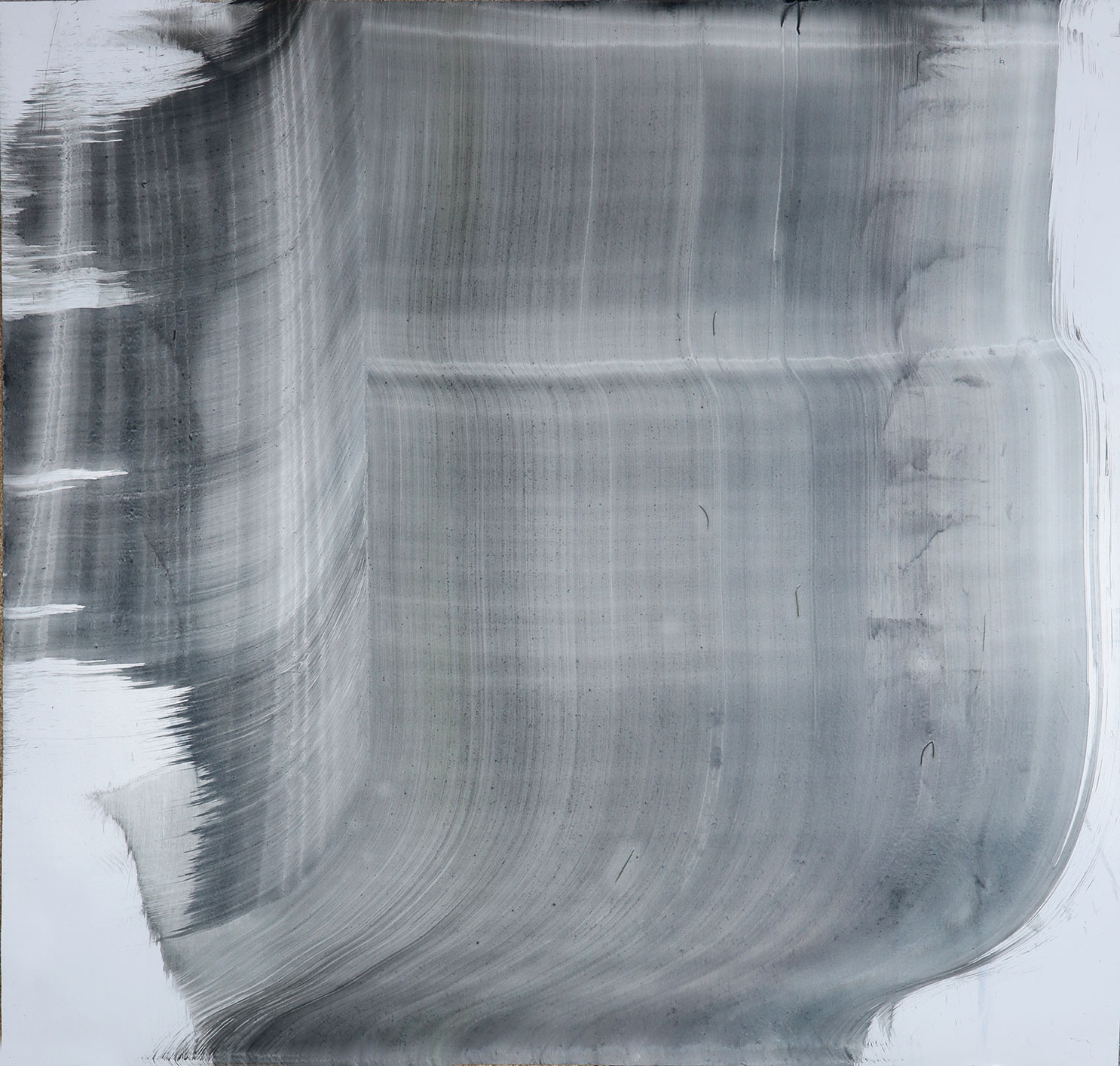
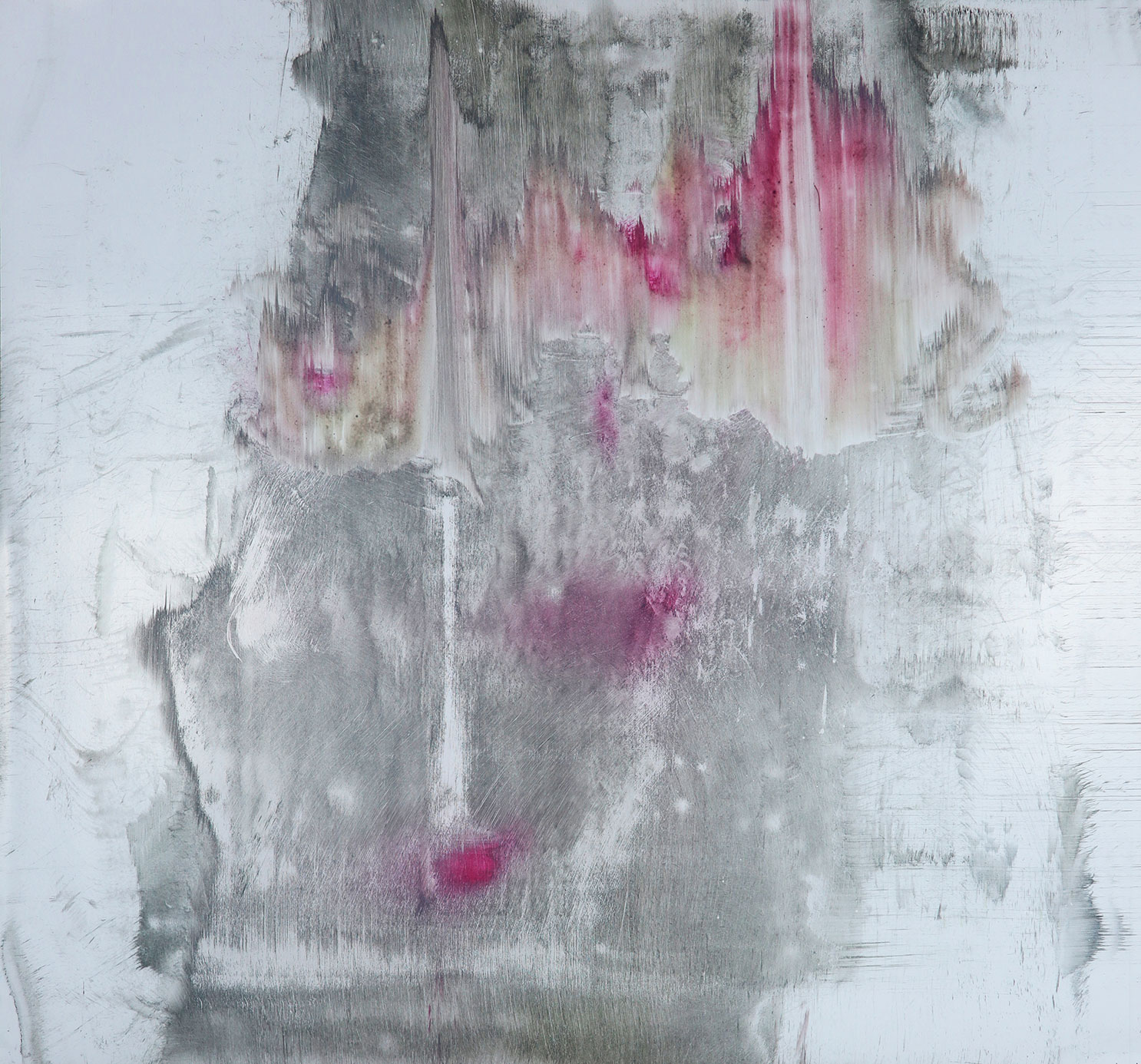
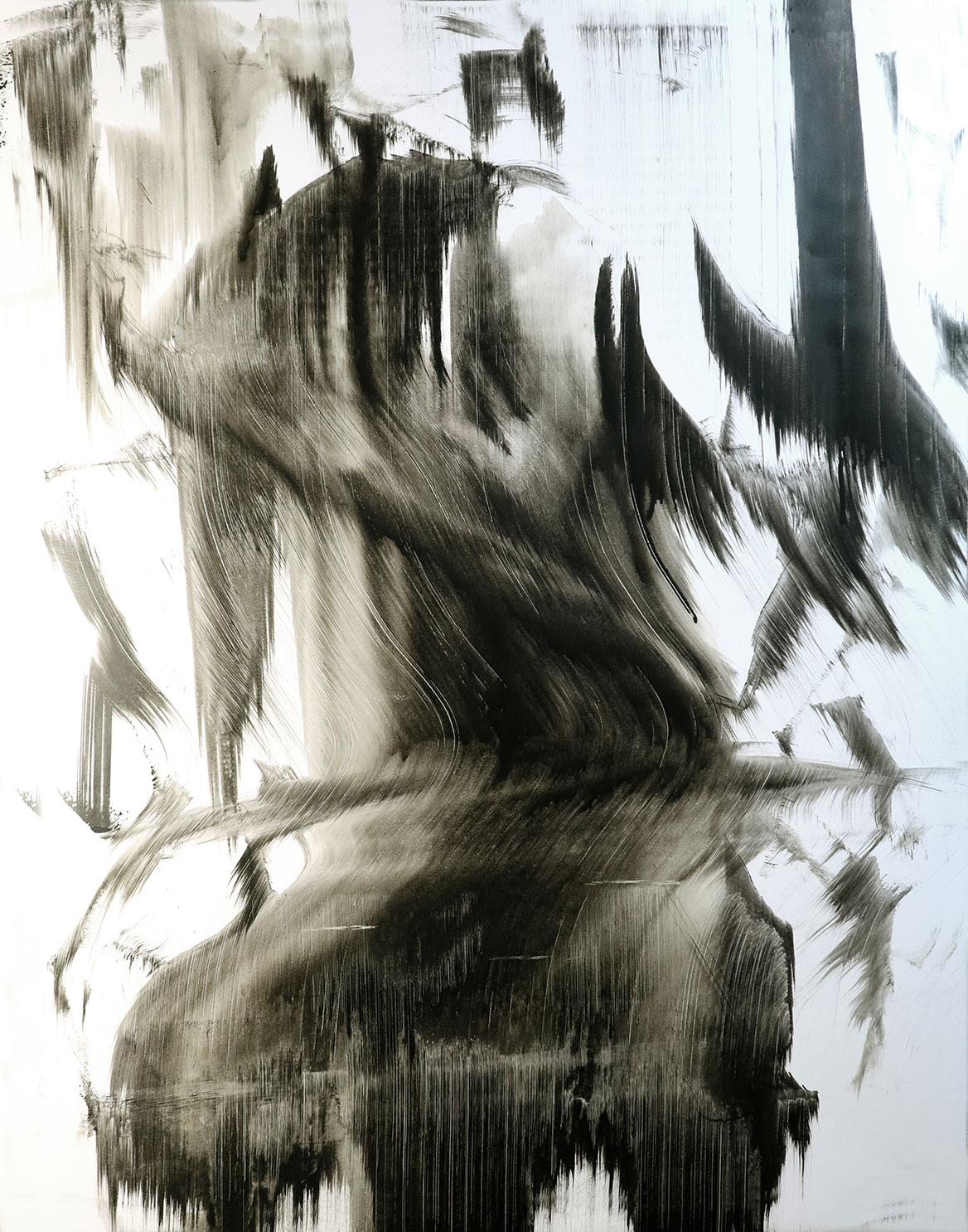
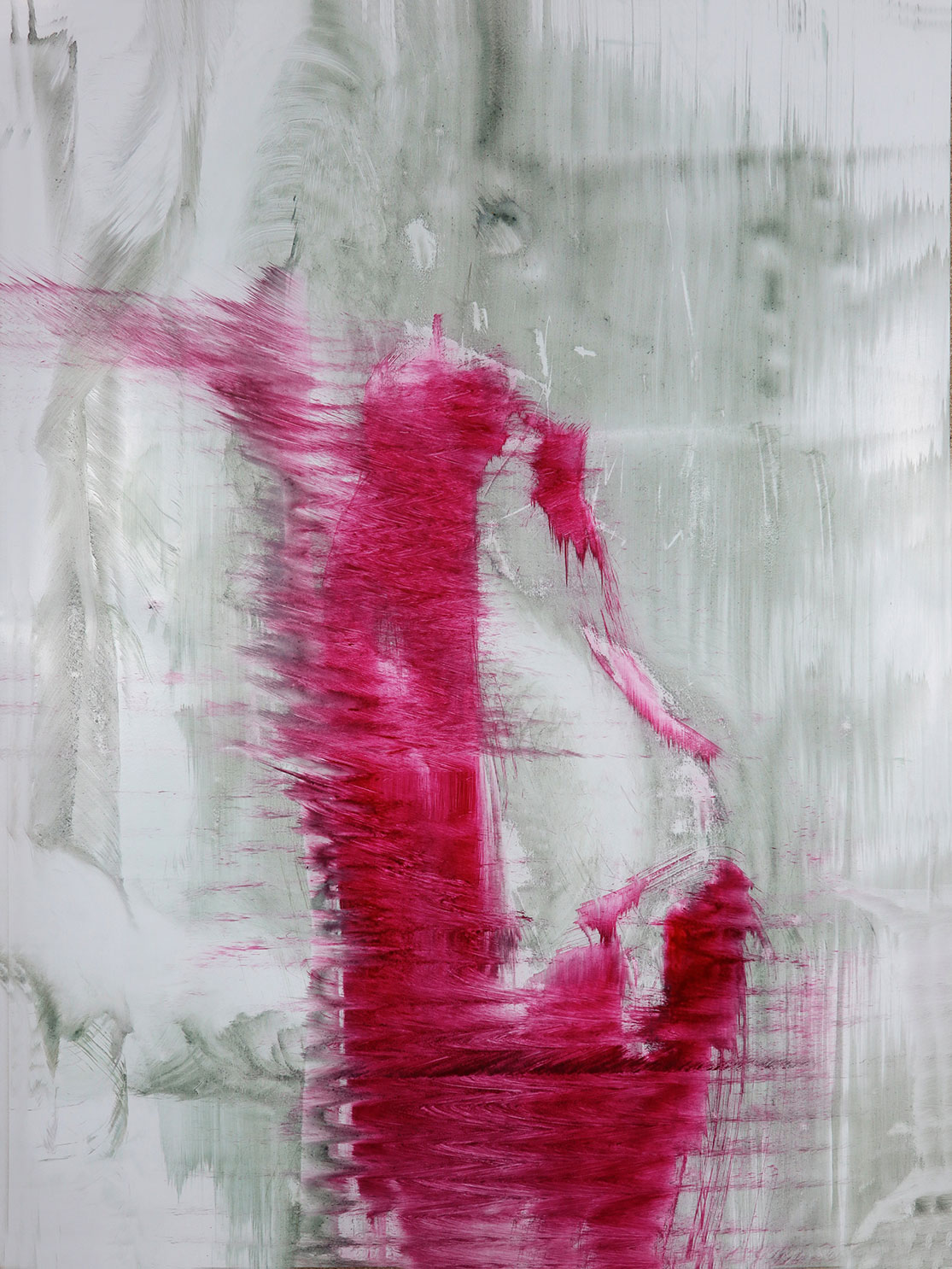
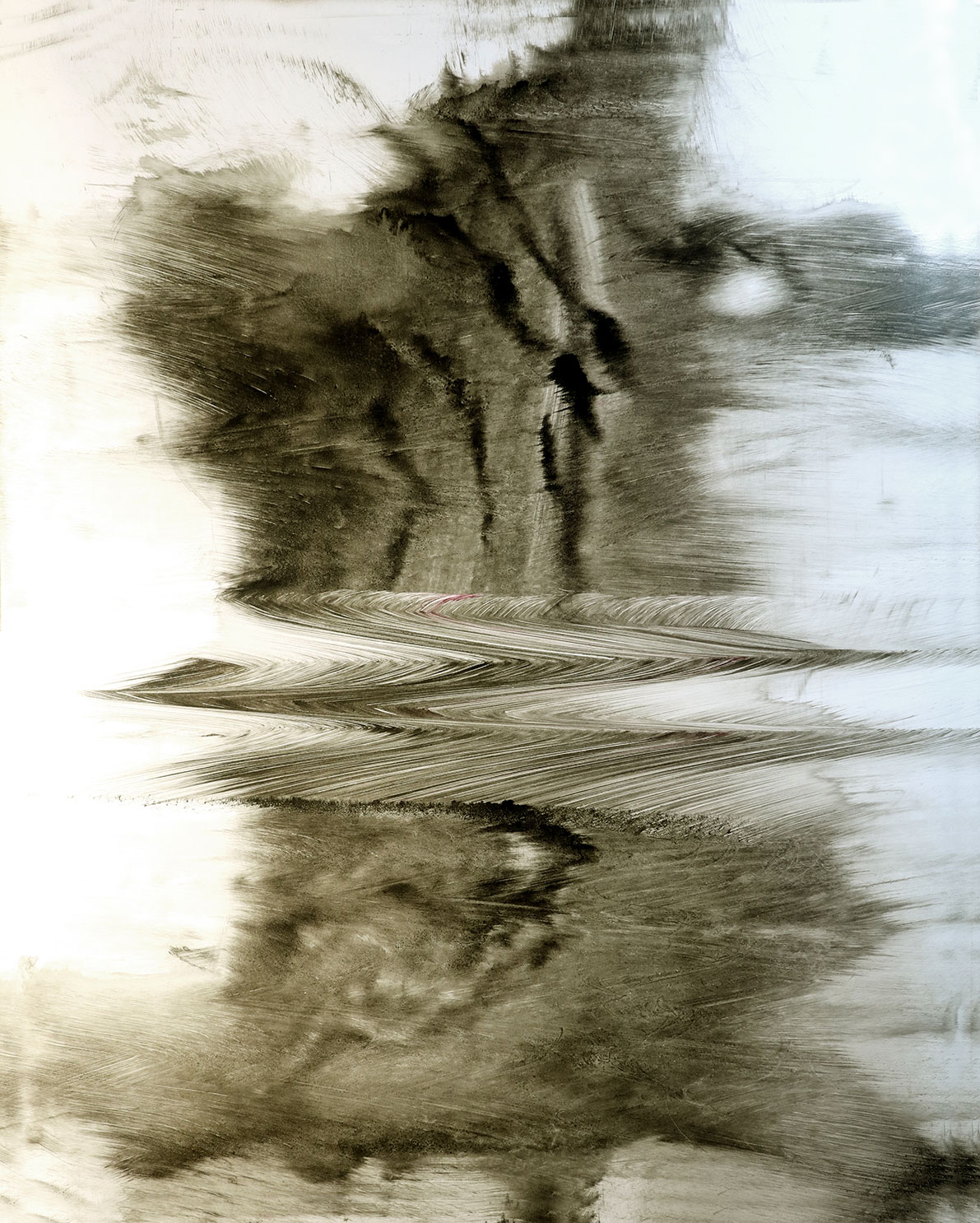
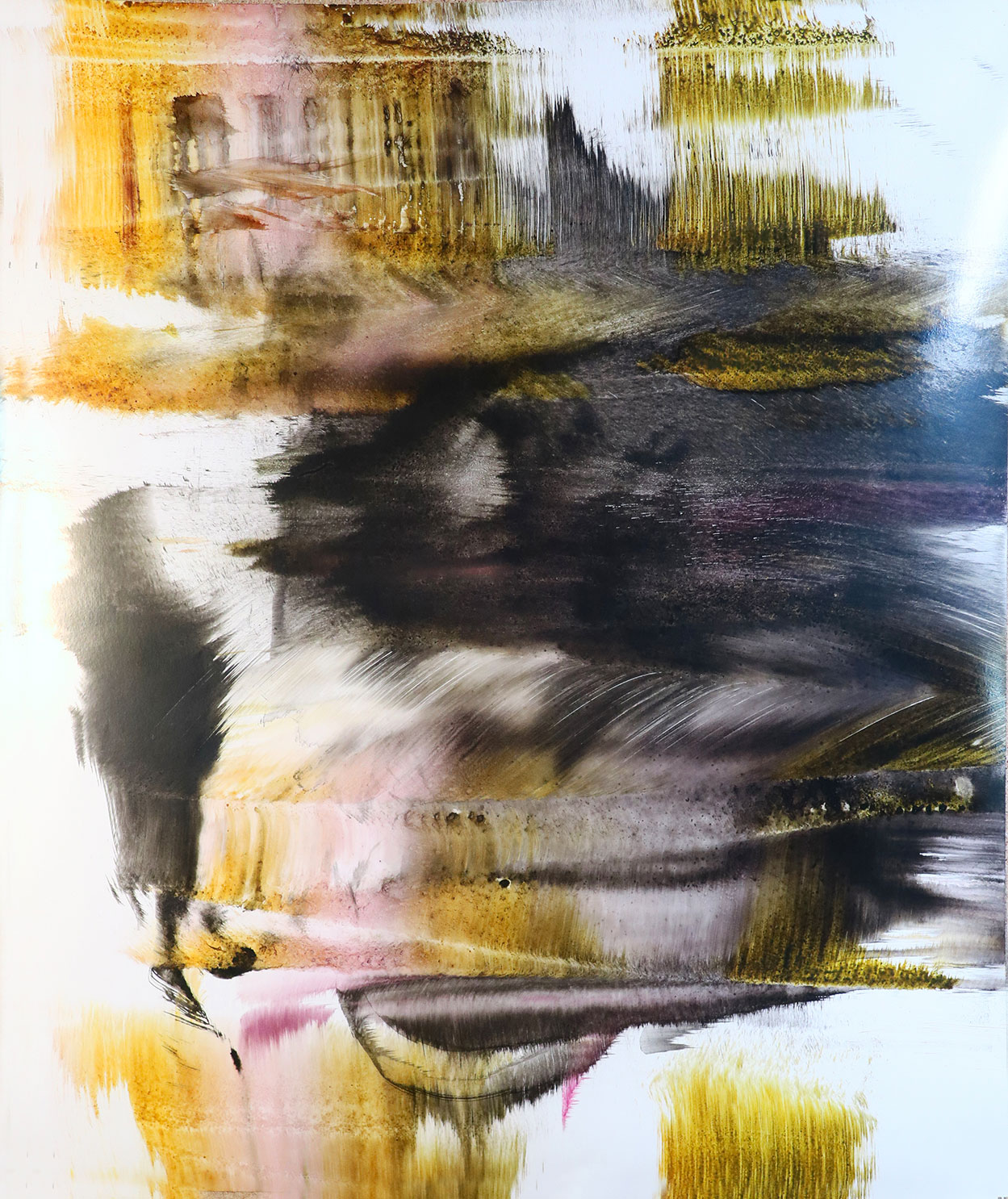
Inks or Die
drawing & graphism • 2025Stem cells
Paper & Inks 2 > 60cm x 60cm / 3 > 80cm x 60cm / 2 > 60cm x 40cm
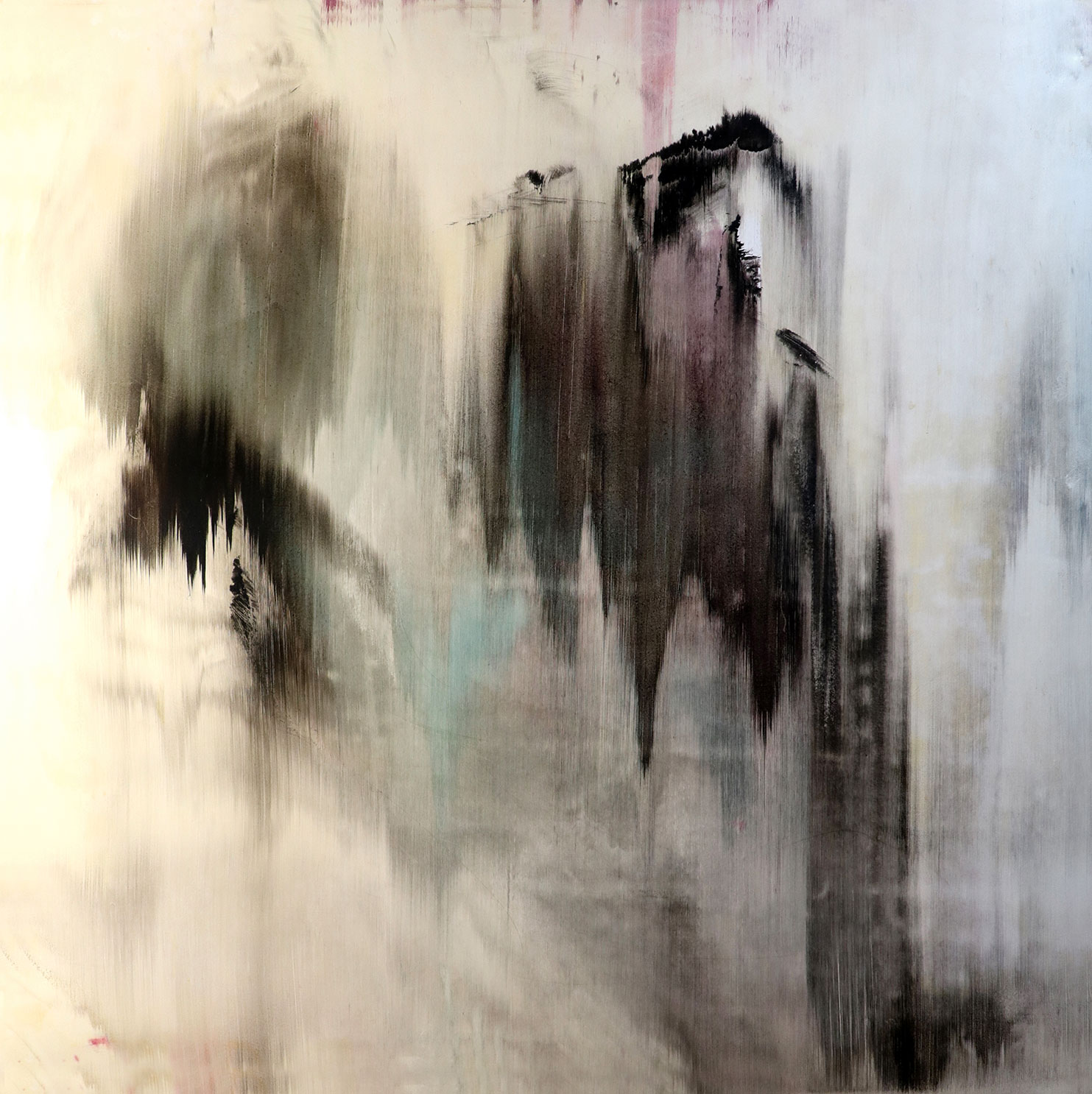
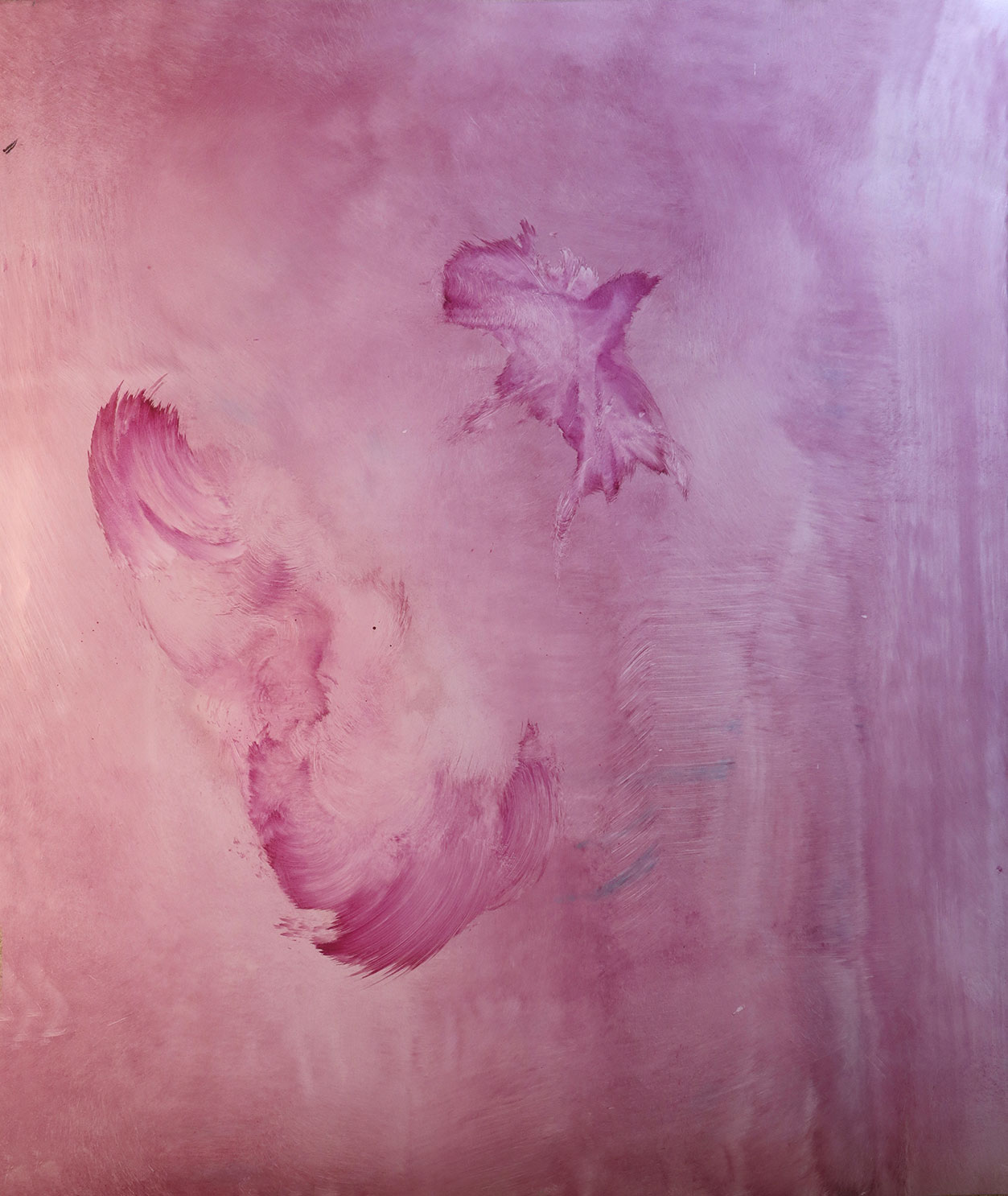
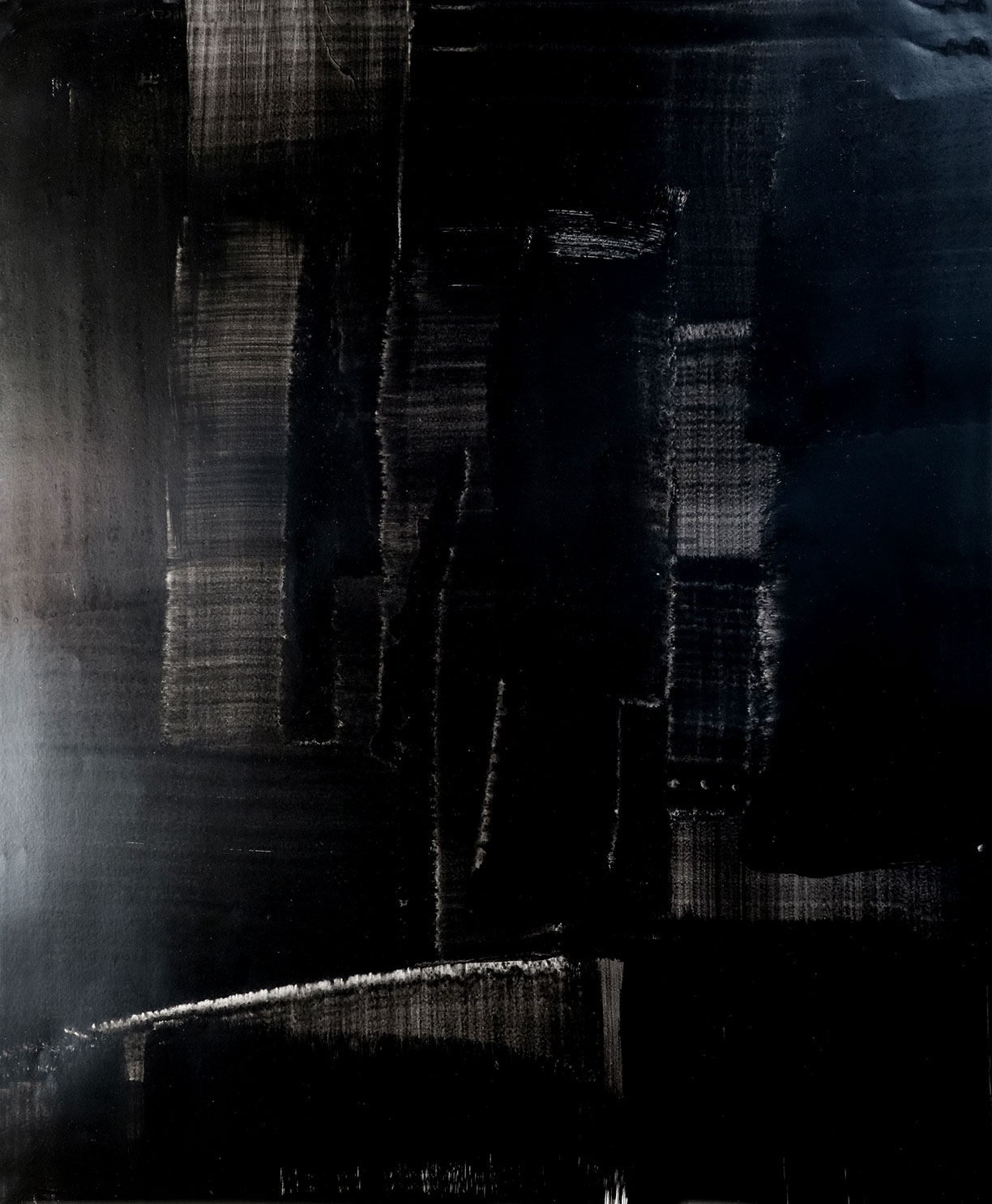
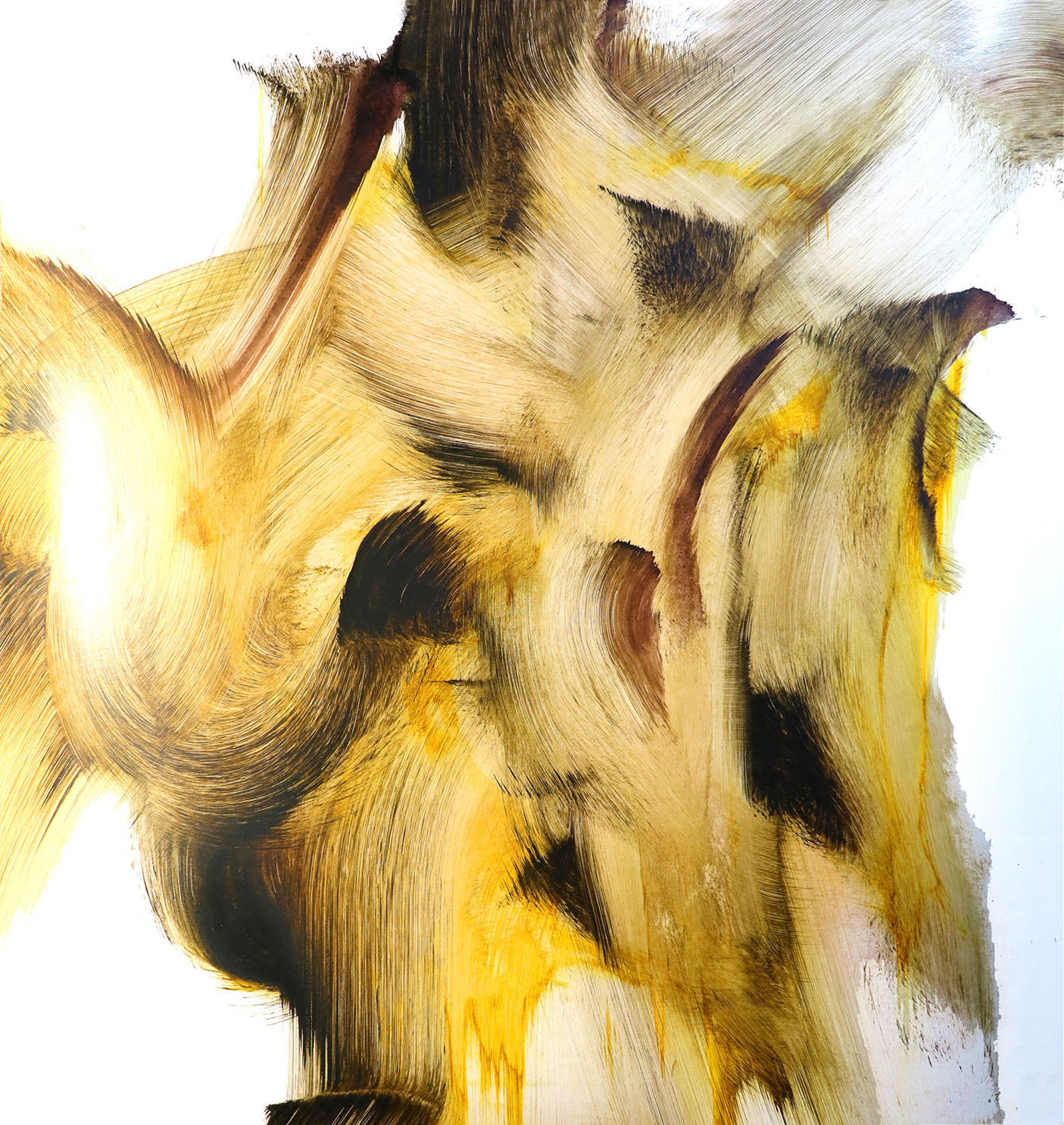
ErikM’s relationship with ink aesthetics and shodō calligraphy (書道, "the way of writing") began accidentally and empirically in 2010 with the Liquides series. The artist repurposed broken LCD, LED, and cathode ray screens, transforming their original function to reveal moving images : liquid landscapes born from the "death" of the device. This work already extended a critical approach to consumerism and technological repurposing that began in the 1990s. By exploiting the physical properties of prepared cathodes, ErikM created liquid images trapped within their glass sheets. The alterations applied to the screens generated evolving forms, products of the progressive reorganization of the device’s physical structures. This paradoxical phenomenon, where the degradation of the medium engenders new visual forms, established an almost permanent cycle of transformation and recycling, until the current was switched off.
In 2011, he undertook a series of figurative drawings, primarily recorded in his Note Books and on a leporello. This first intentional jet of ink on paper directly followed the aesthetic continuity of the broken screens.
From 2014 onward, ErikM progressively moved away from digital art, driven by a demand for coherence with his ecological convictions. While repurposing and reuse had always been at the heart of his artistic and musical approach, the contradiction between his principles and the technological and energy impact of digital devices became increasingly difficult to ignore. His works, often presented in event contexts – festivals or institutions dedicated to electronic music – saw the technological dimension overshadow the meaning. Aware of these tensions, he chose to adopt a more sober and coherent economy of means. Like his sound installations, whether phenomenological, critical, or poetic, his work intentionally became "deaf," devoid of sound devices. Long before digital repurposing was theorized as glitch aesthetics, ErikM was already exploring error, artifact, and randomness as vectors of expression.
In March 2020, during lockdown, the artist, then isolated at Les Anthénors, a calanque near Marseille, returned to drawing on the occasion of the book-CD Échoplasme (2018), dedicated to Yōkai. Deprived of a studio and materials, he improvised on limestone, the only white surface available, letting the ink mingle with the waves. These ephemeral gestures, impossible to fix, brought him back to the essence of gesture, breath, and disappearance. To break free from his automatisms and figurative drawing, he made tools from materials recovered from nearby garbage bins. Each passing wave erased the previous trace, rendering the stone virgin again like a page offered to the unexpected or a scanner screen returned to immaculate whiteness. The impossibility of documenting these ephemeral inks led him to explore smooth and slippery surfaces, particularly glossy papers conducive to pareidolia. These gestures frozen on paper extended his practice as a performer : an exploration of instrumental gesture and its unconscious dimensions.
The recovery and recycling of obsolete objects have always occupied a central place in ErikM’s practice. Initially motivated by economic necessity, this approach progressively asserted itself as a political and ecological positioning.
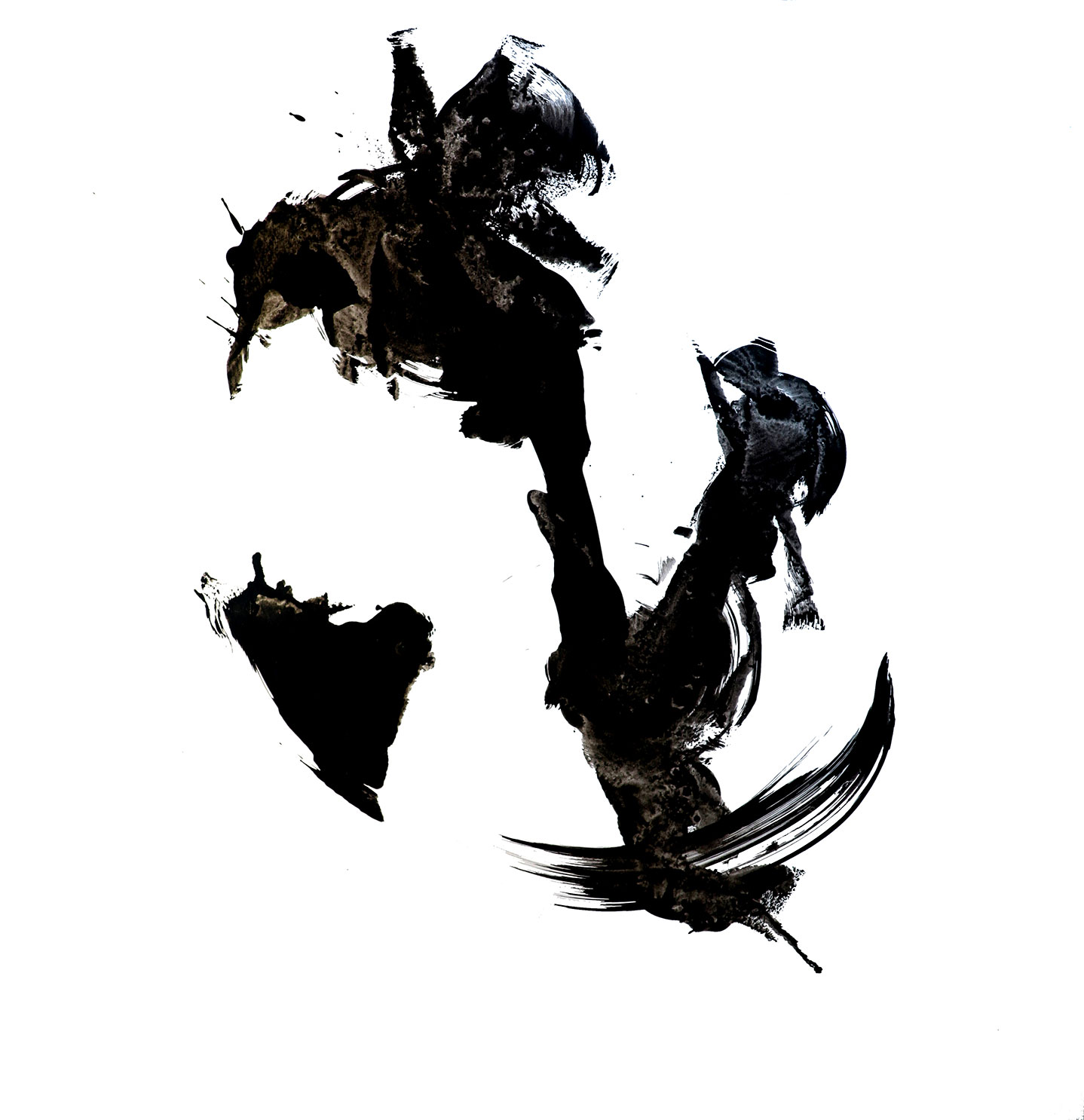
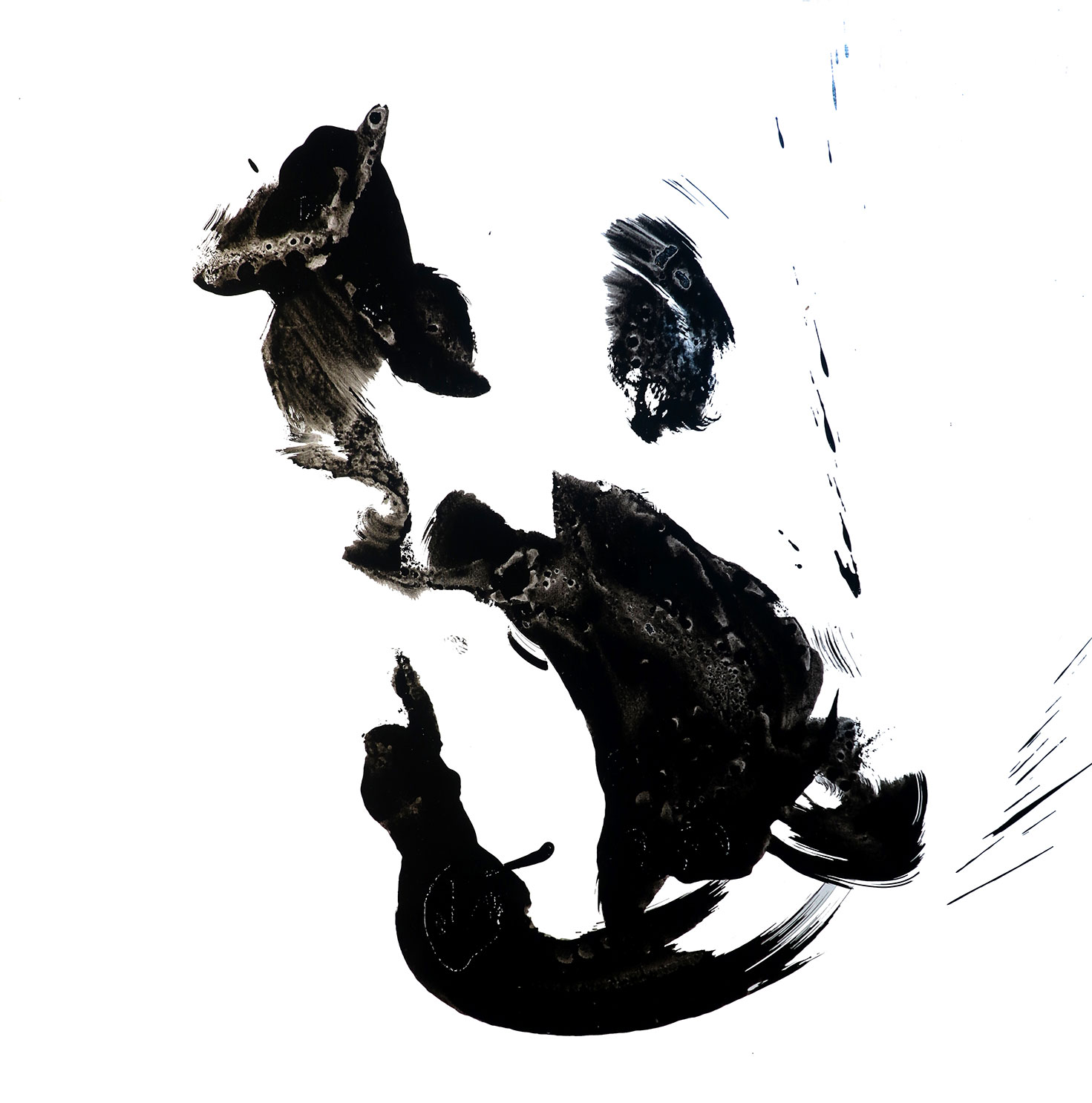
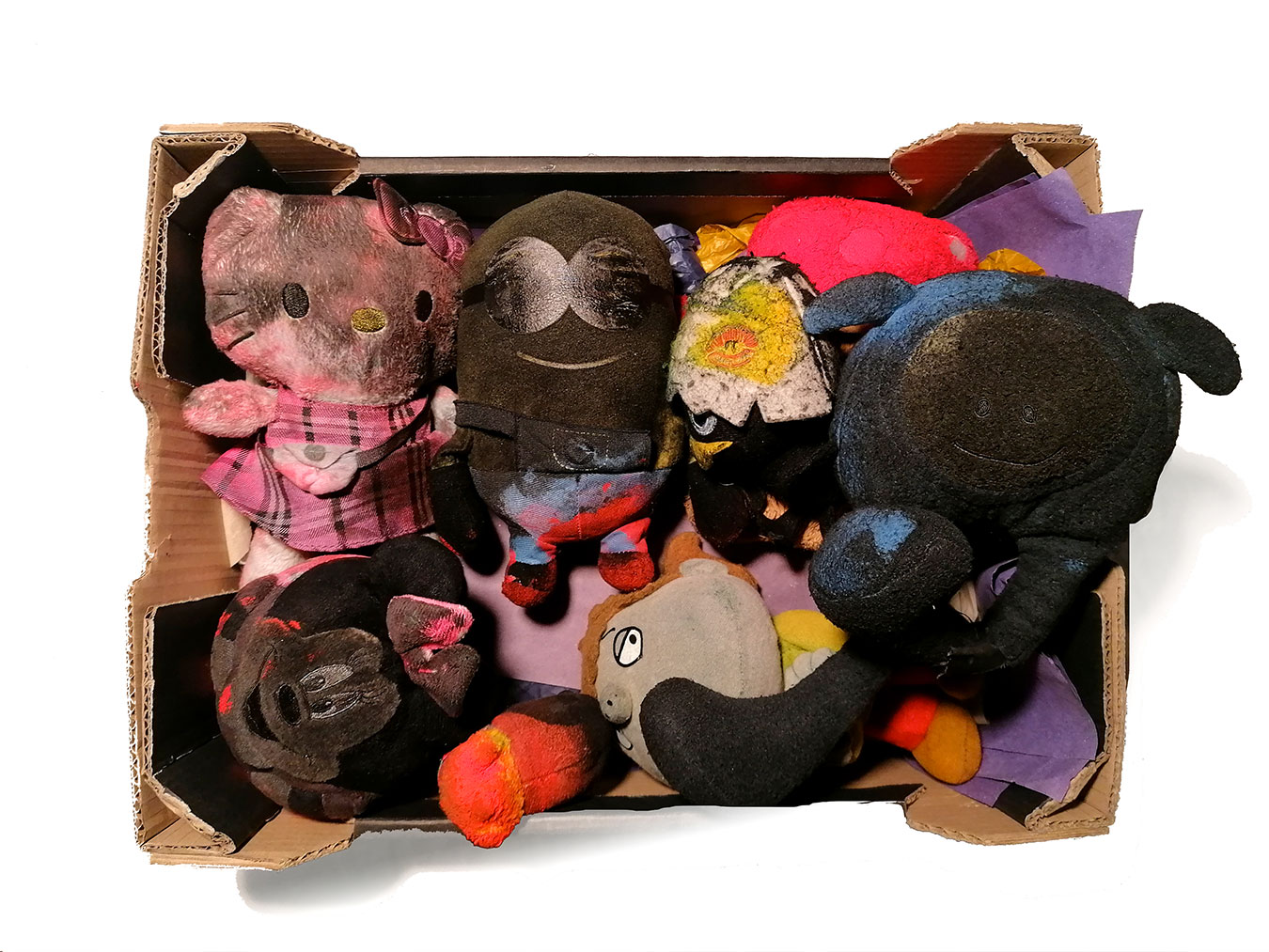
In 2021, settled in the Baronnies, he continued his research on larger formats. For lack of suitable tools, he painted with plush toys found in thrift stores : transitional objects par excellence, conducive to exploring the symbolic territories of childhood dreams and nightmares. By combining ink, paper, and plush toys, he sought to freeze the memory of a movement, to materialize the invisible.
Today, color fully enters his work. ErikM blends ink, glazes, and techniques from street art that he practiced in the 1980s, pursuing this continuity between sound, gesture, and matter : a fluid dialogue between trace and flow, between act and its erasure.
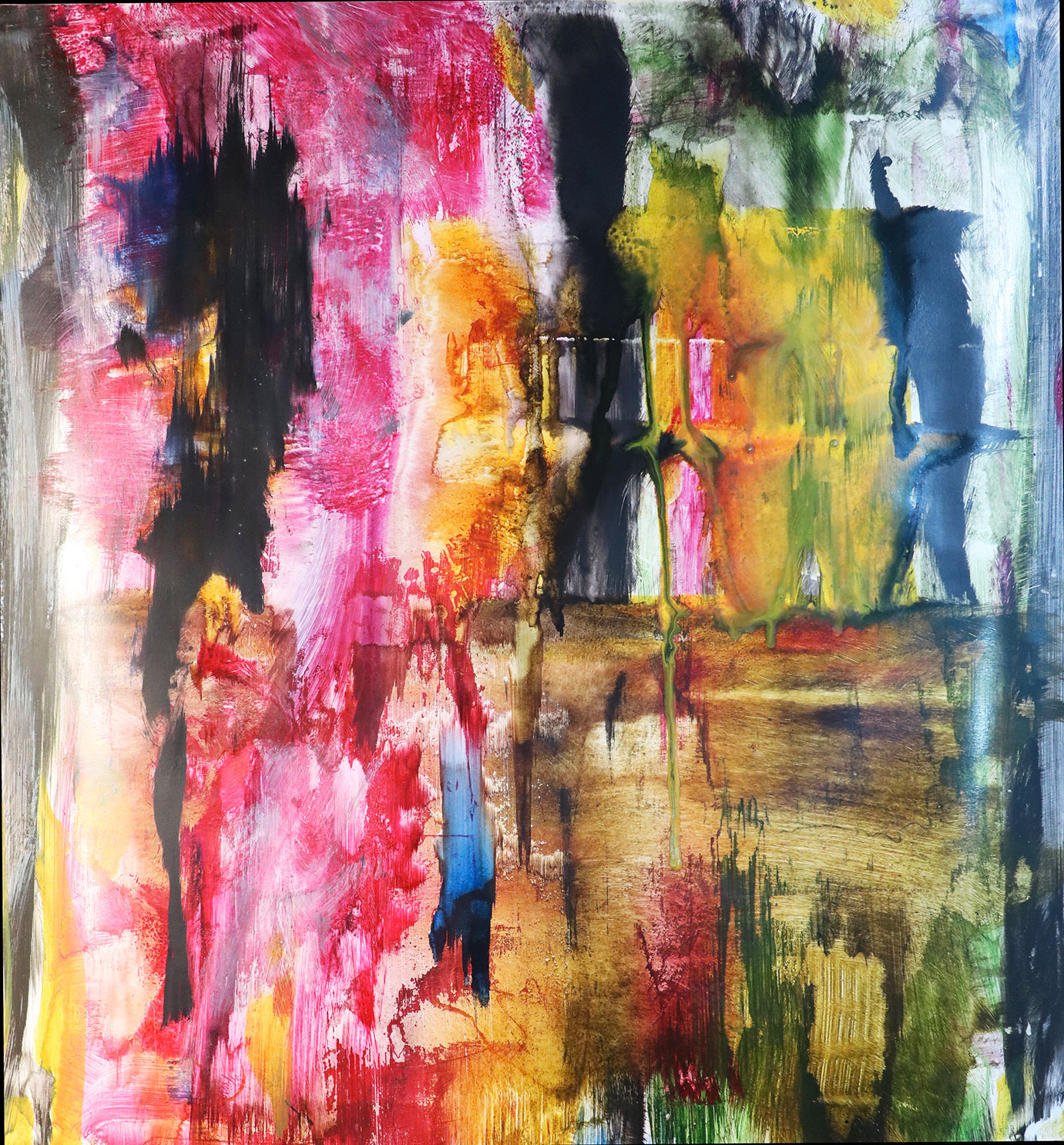
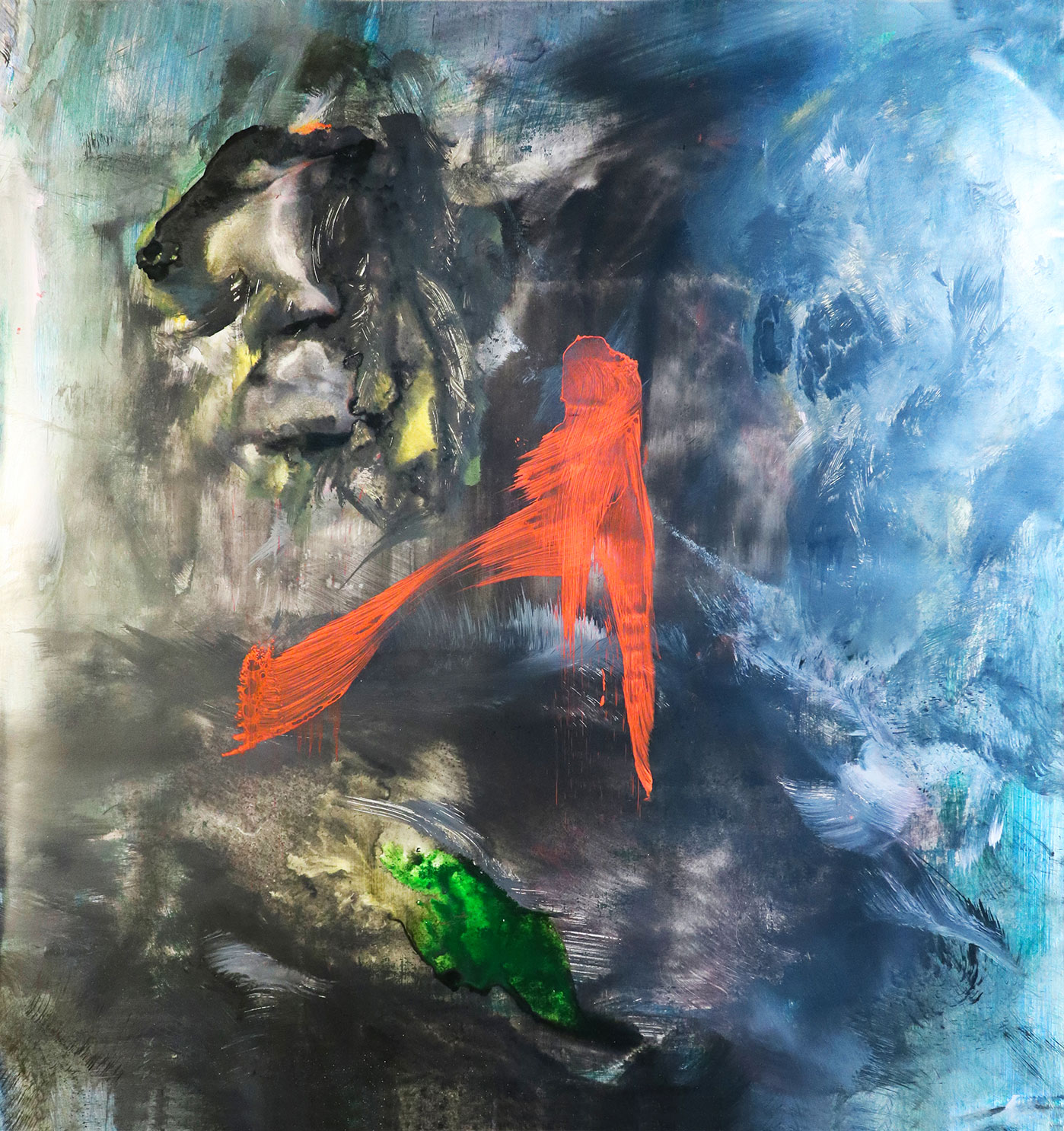
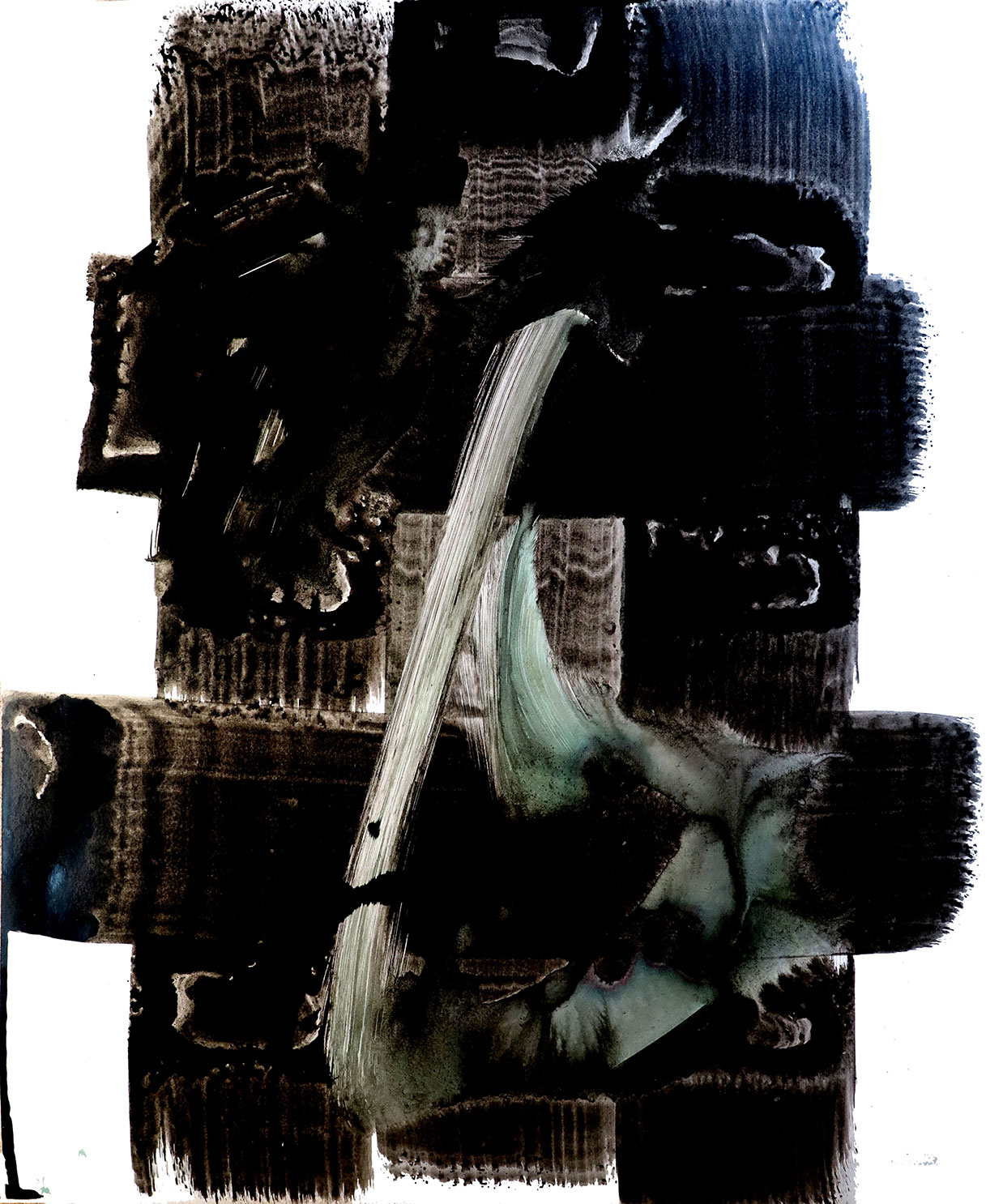
Bye bye shodō
drawing & graphism • 2025さようなら書道。
Inks & Moore
Paper & Inks 3 > 60cm x 50cm
Paper & Inks 4 > 60cm x 60cm
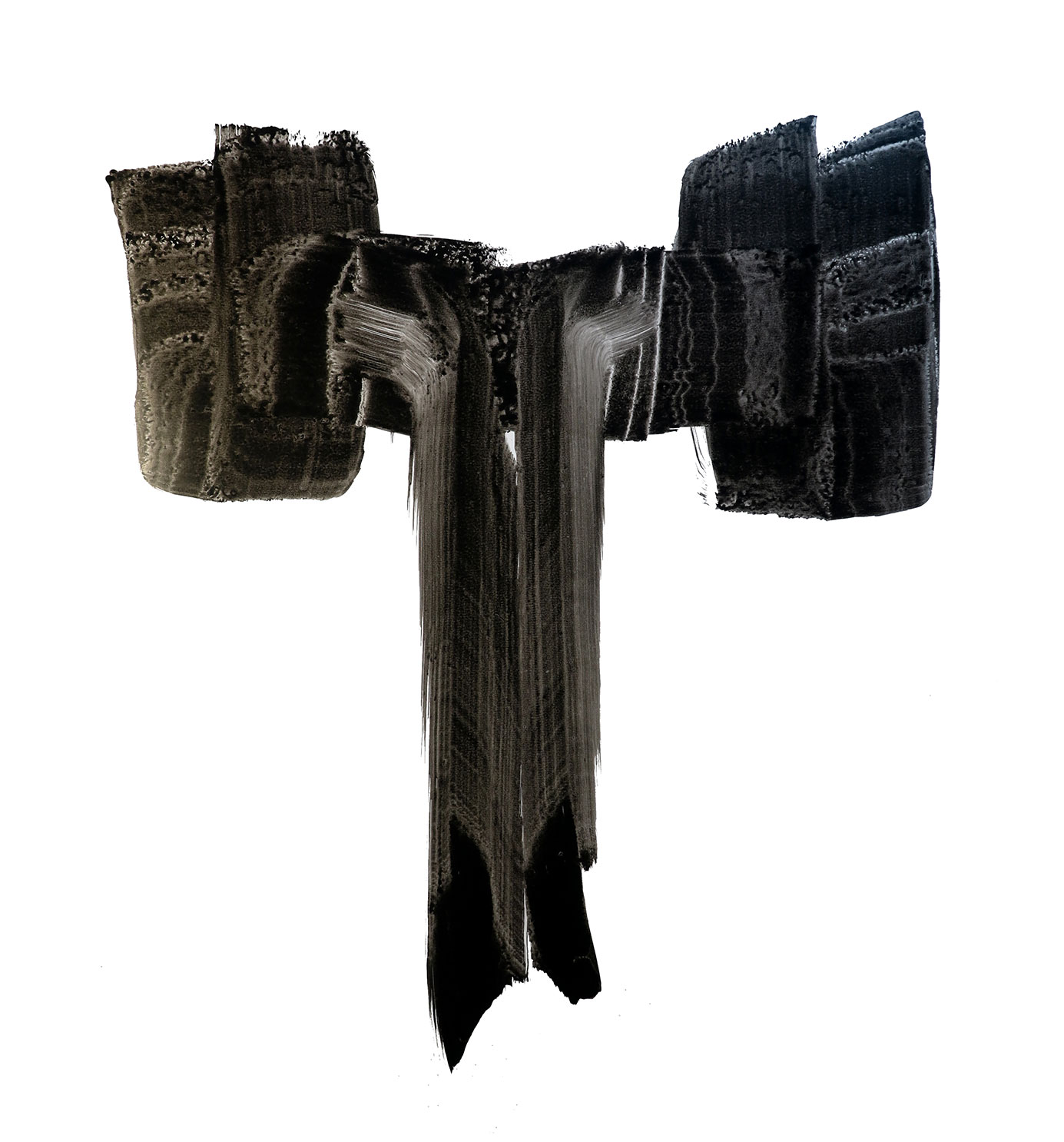
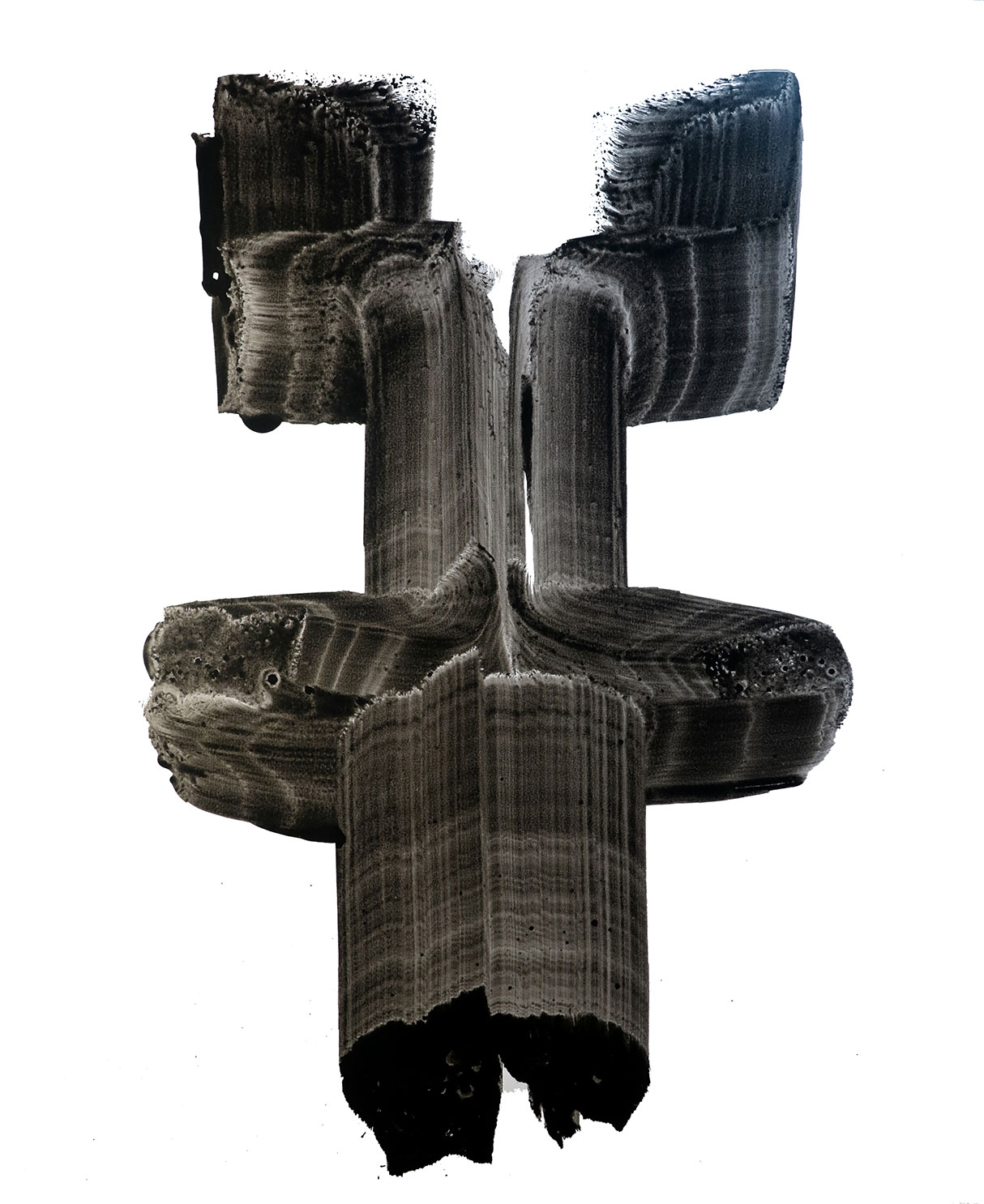
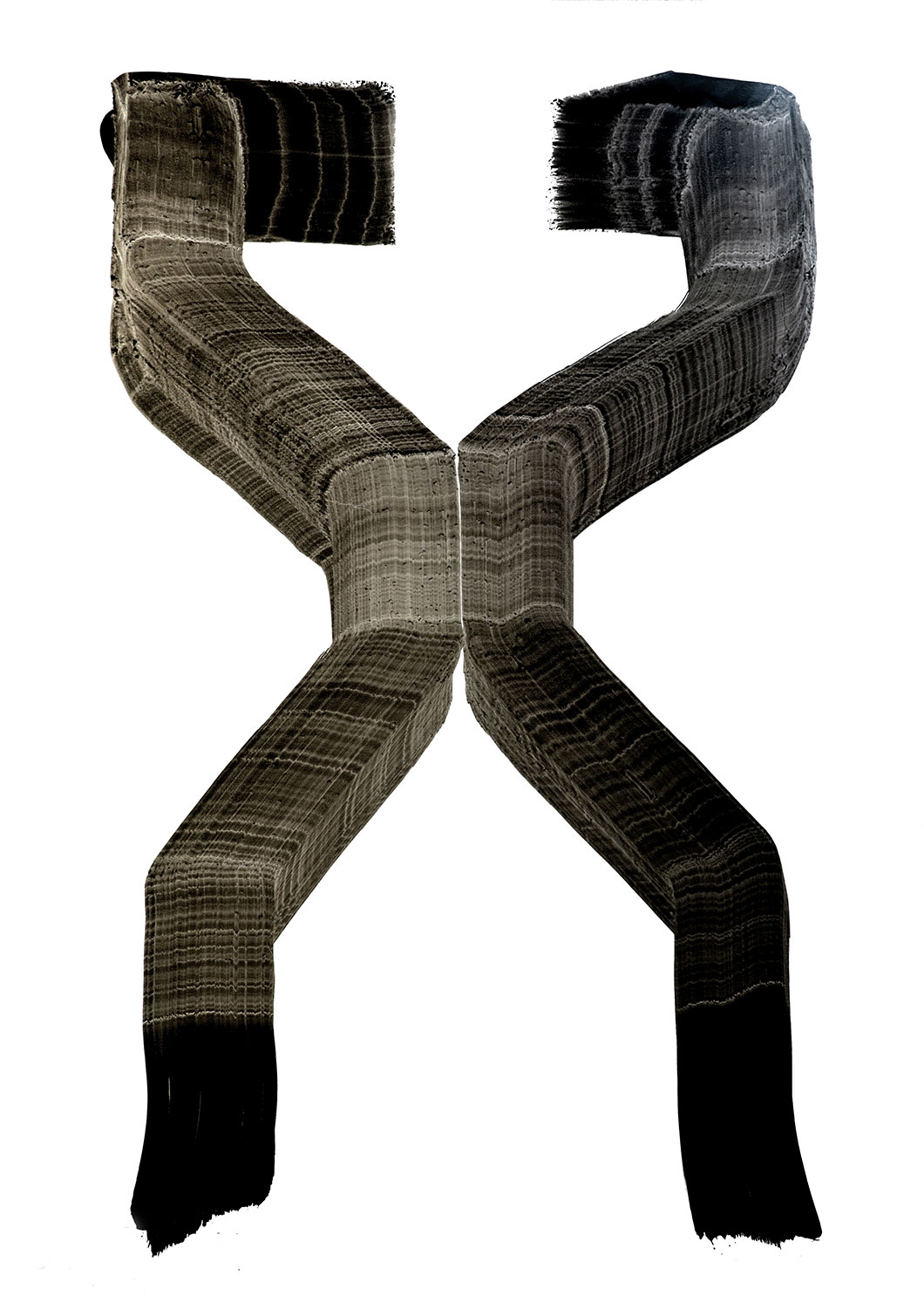
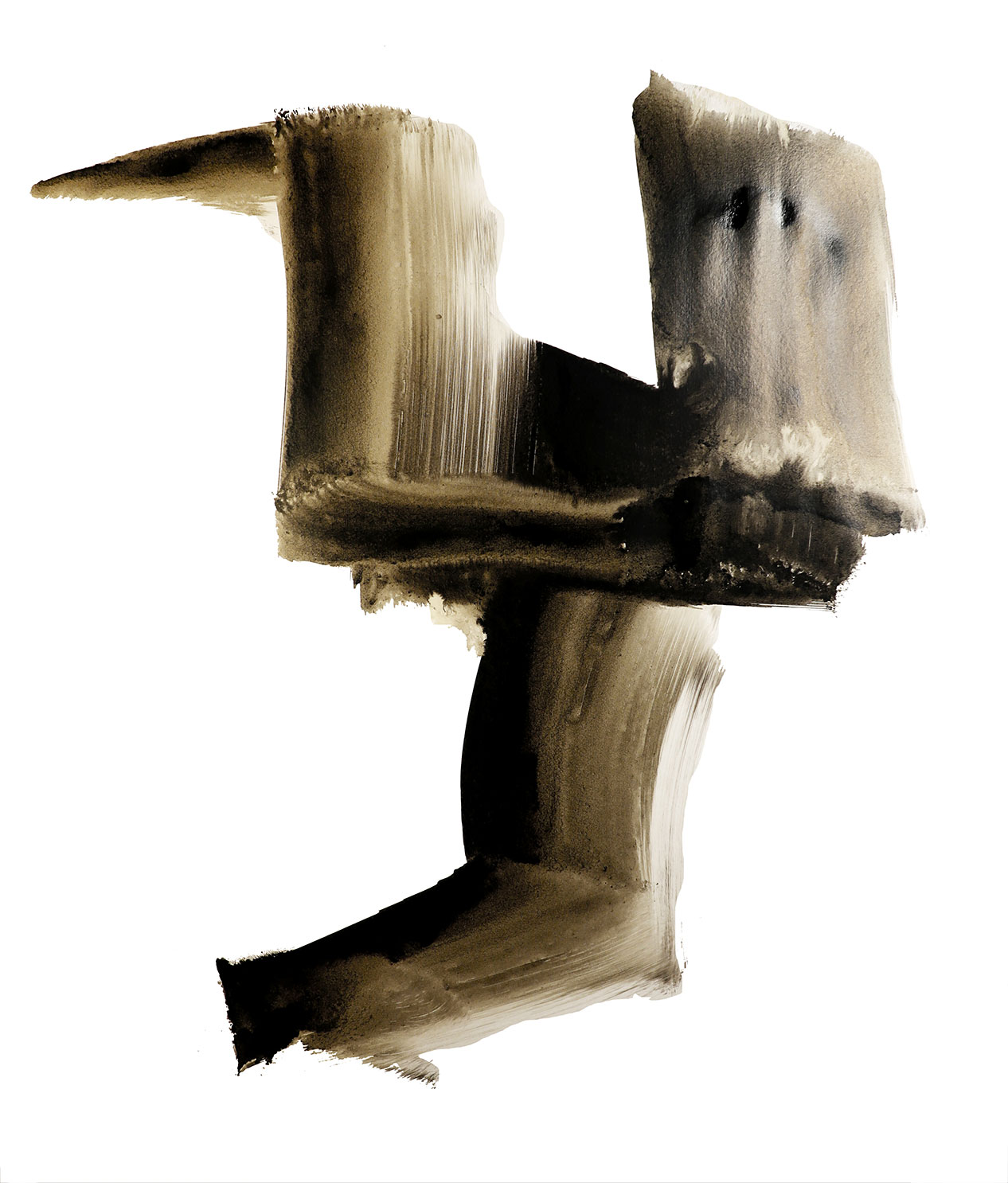
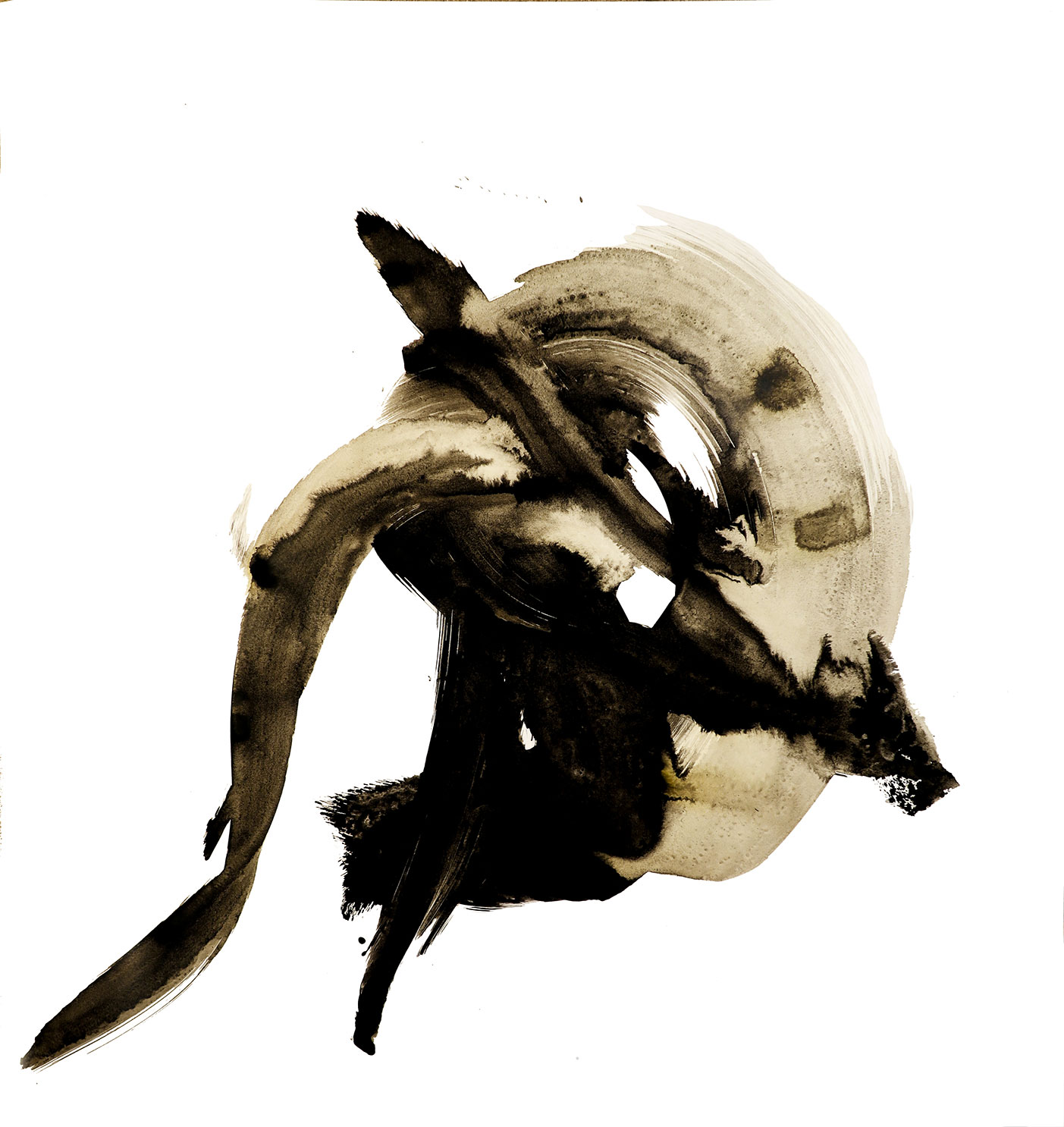
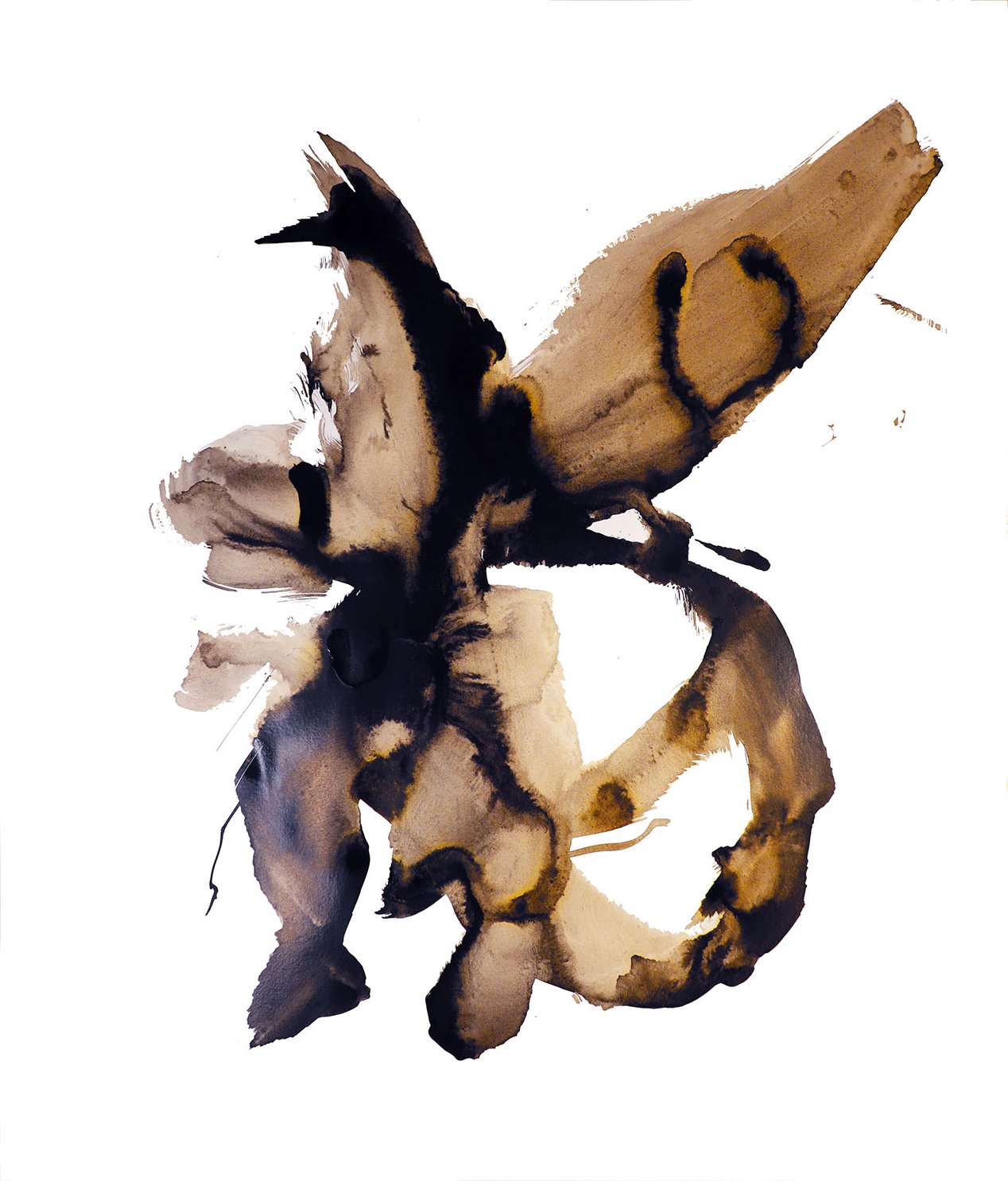
Katchina & Fading
drawing & graphism • 2025Katchina Series
Paper Ink 1 > 80cm x 60cm / 2 > 60cm x 50cm
Fading Series
Paper Inks 1 > 60cm x 50cm / 2 > 80cm x 80cm
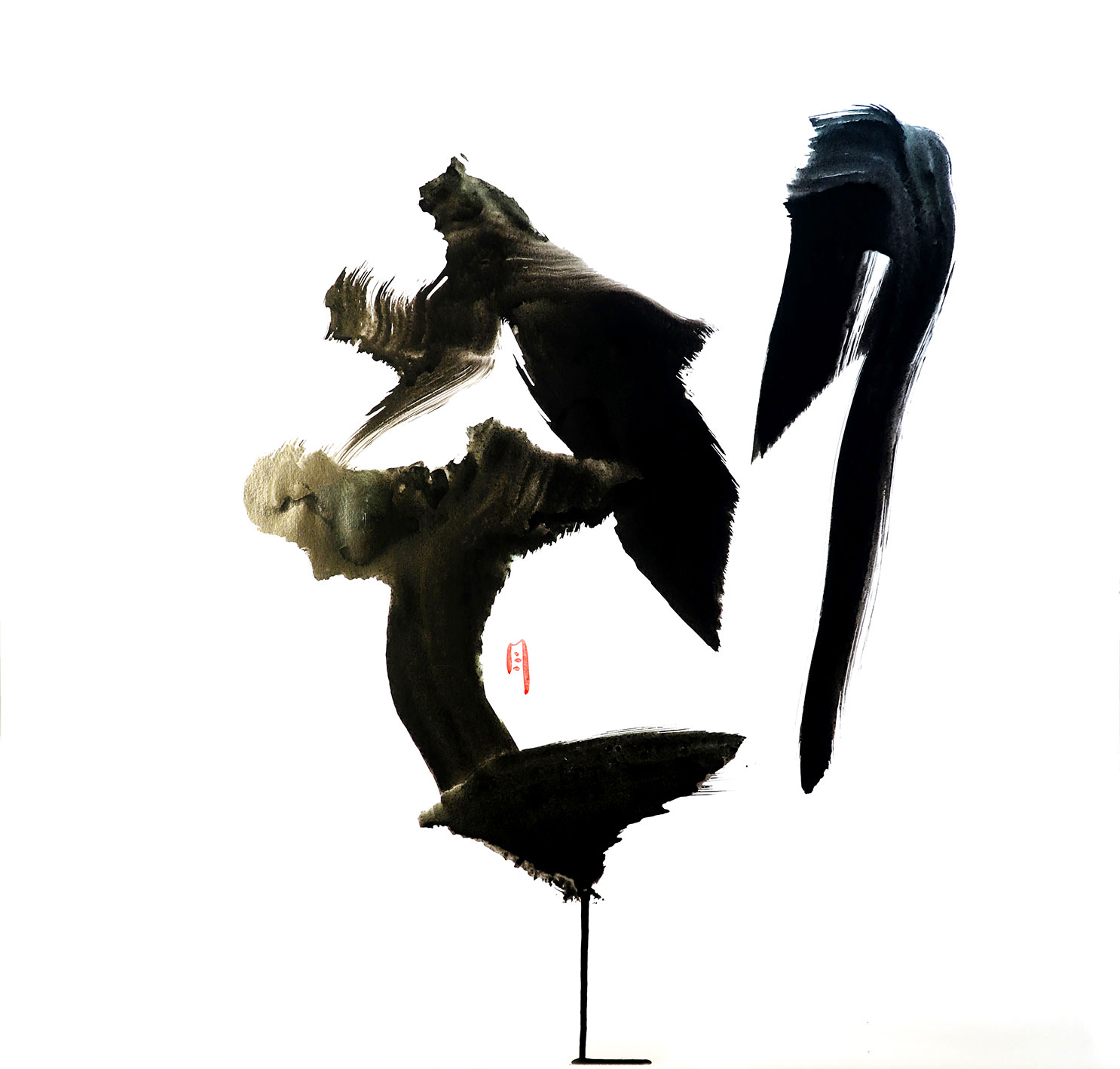
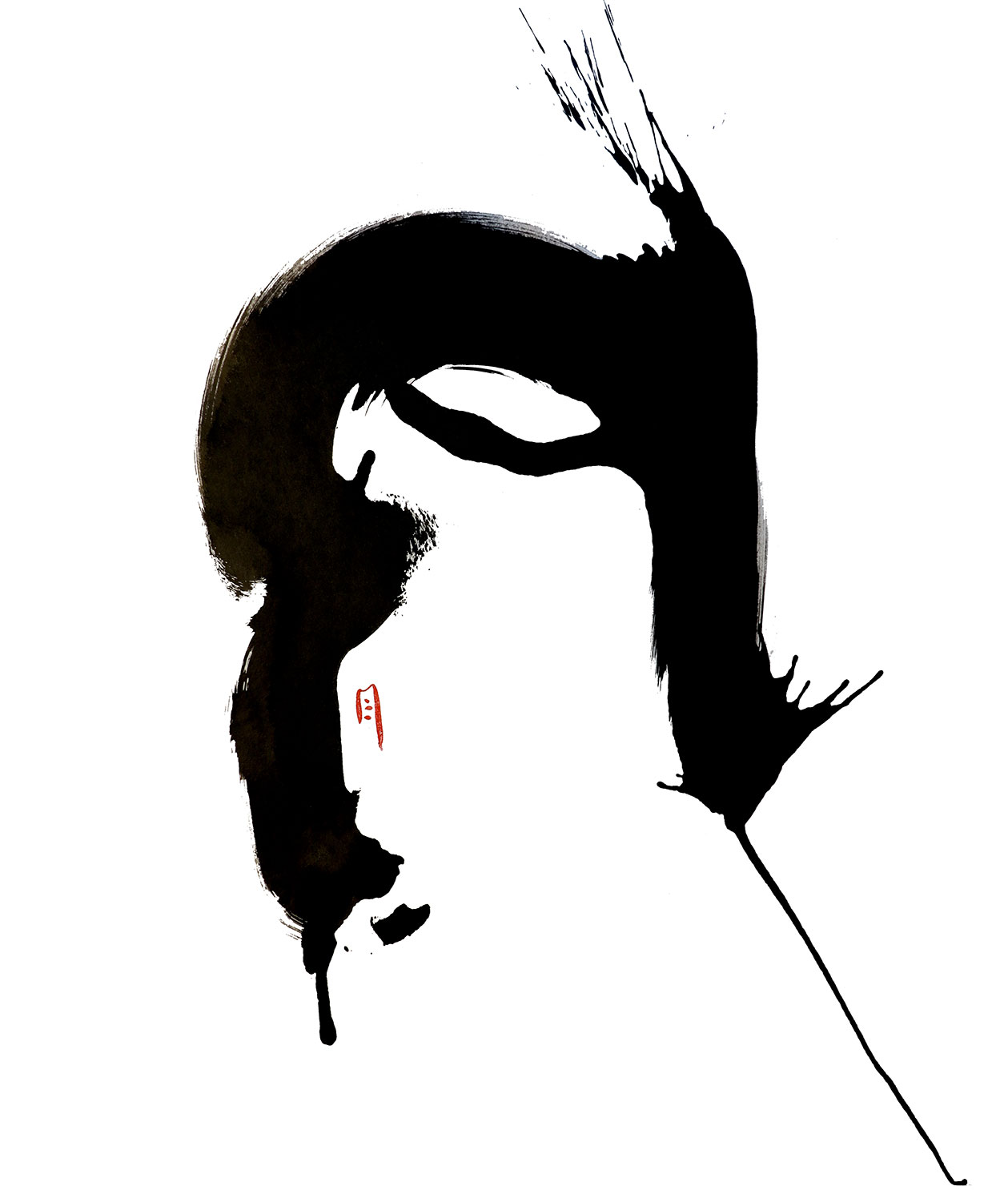
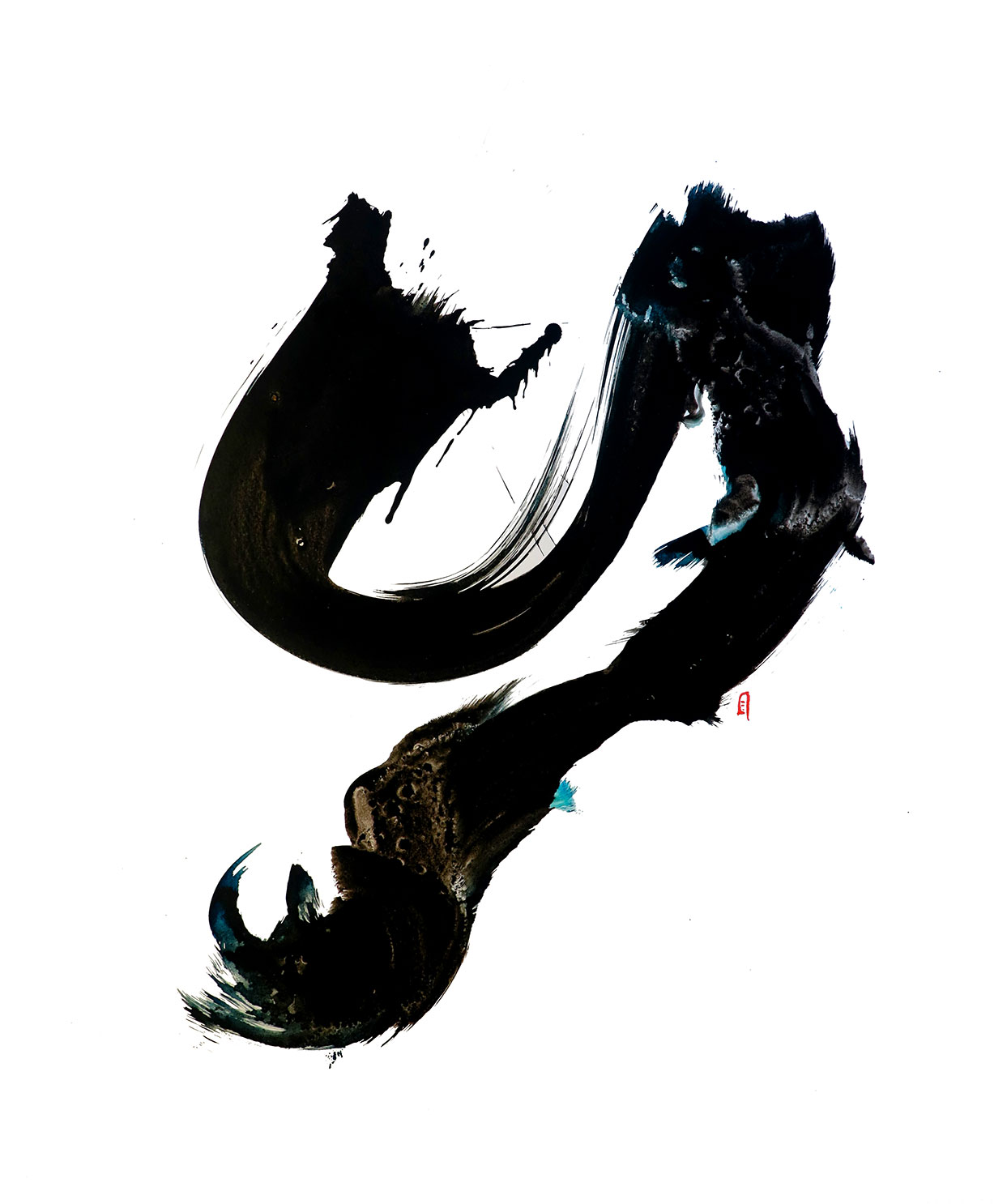
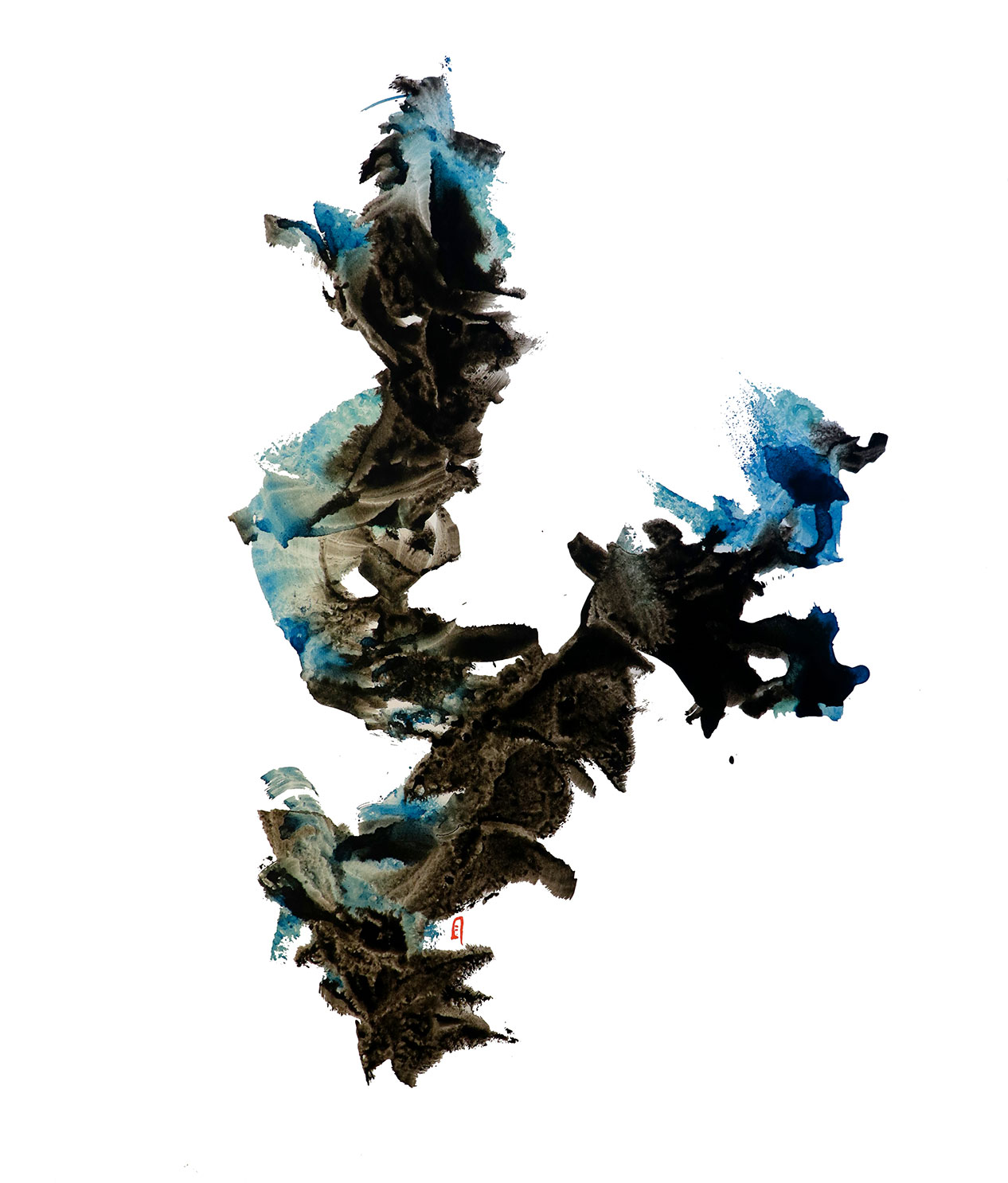
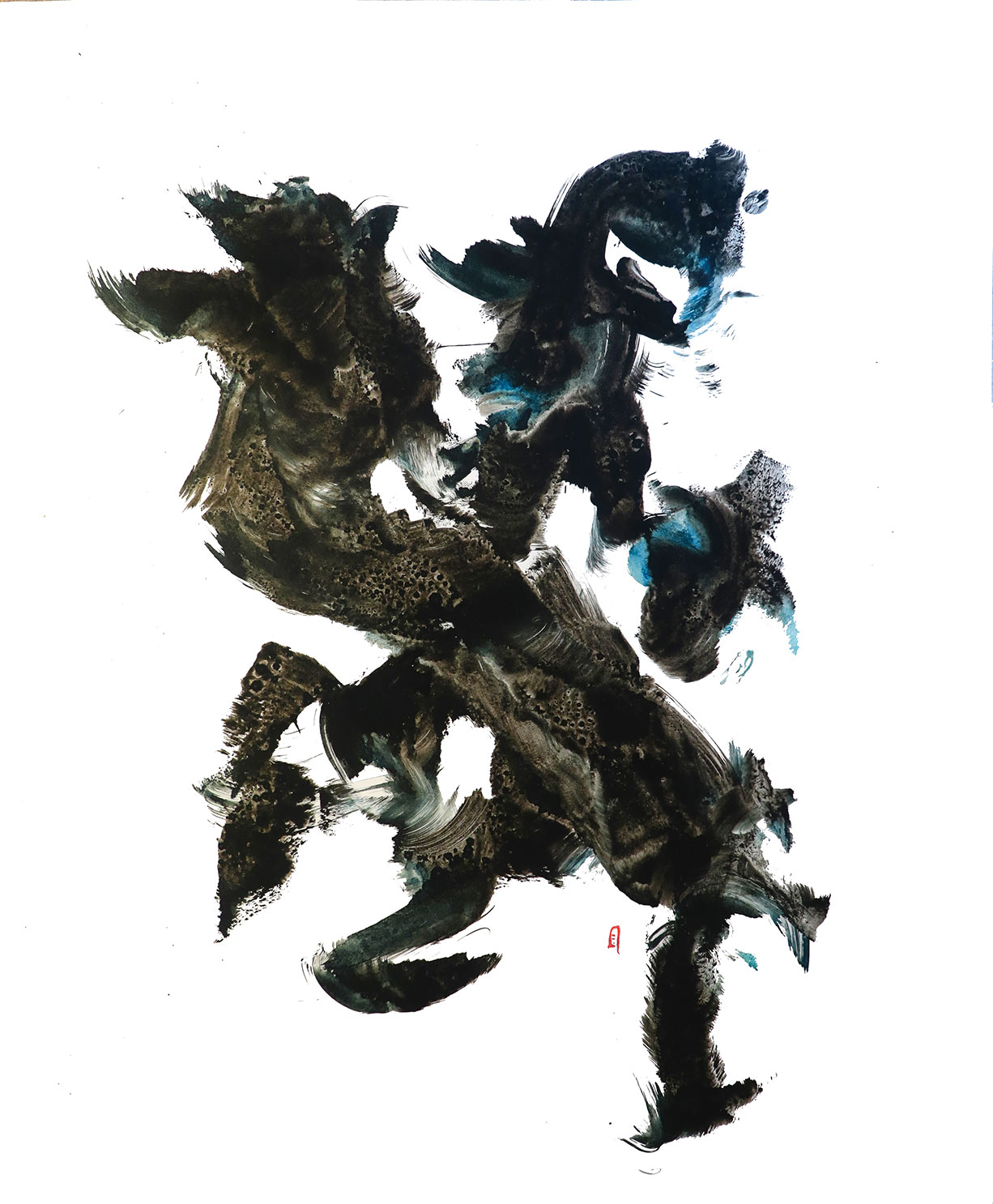
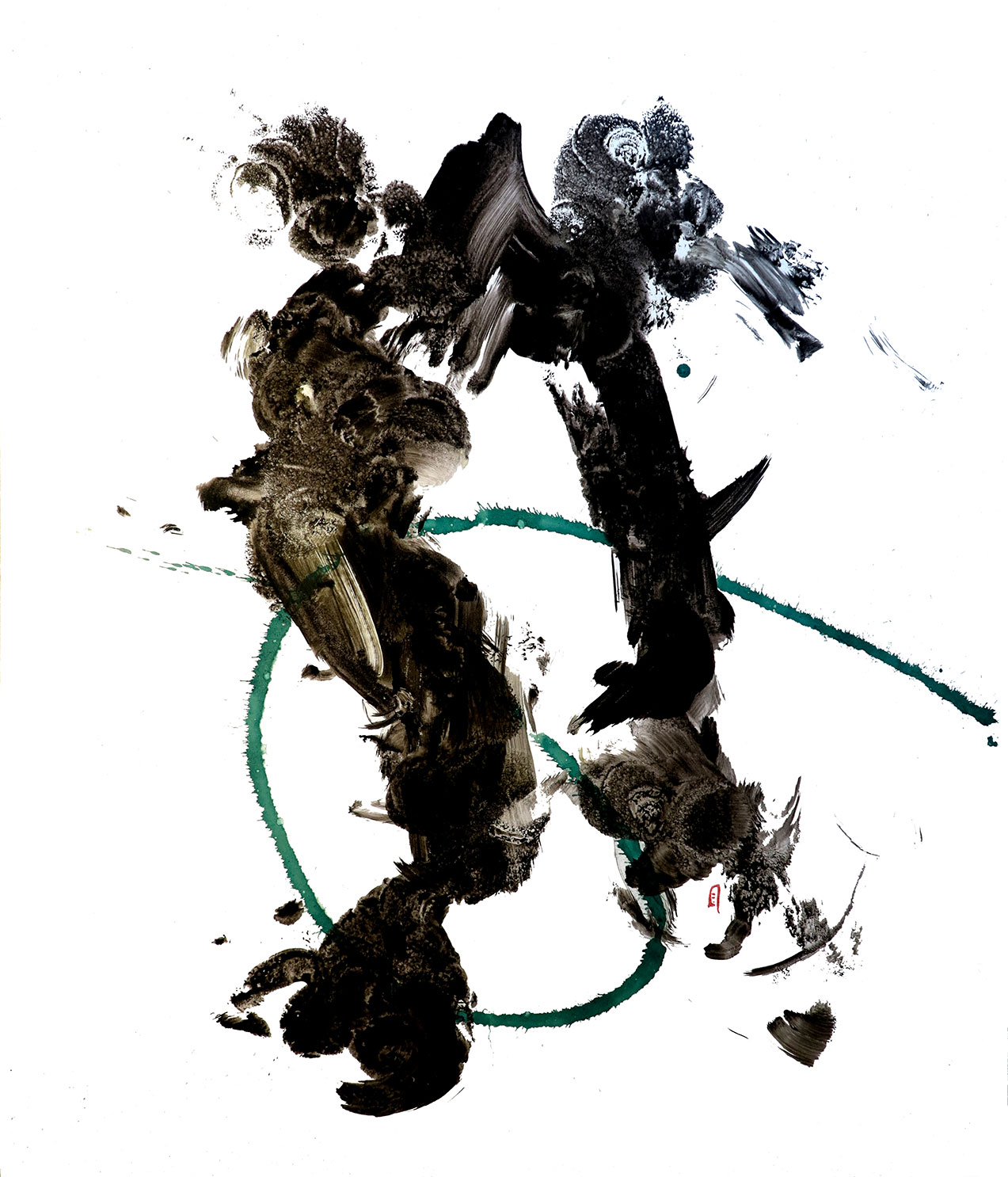
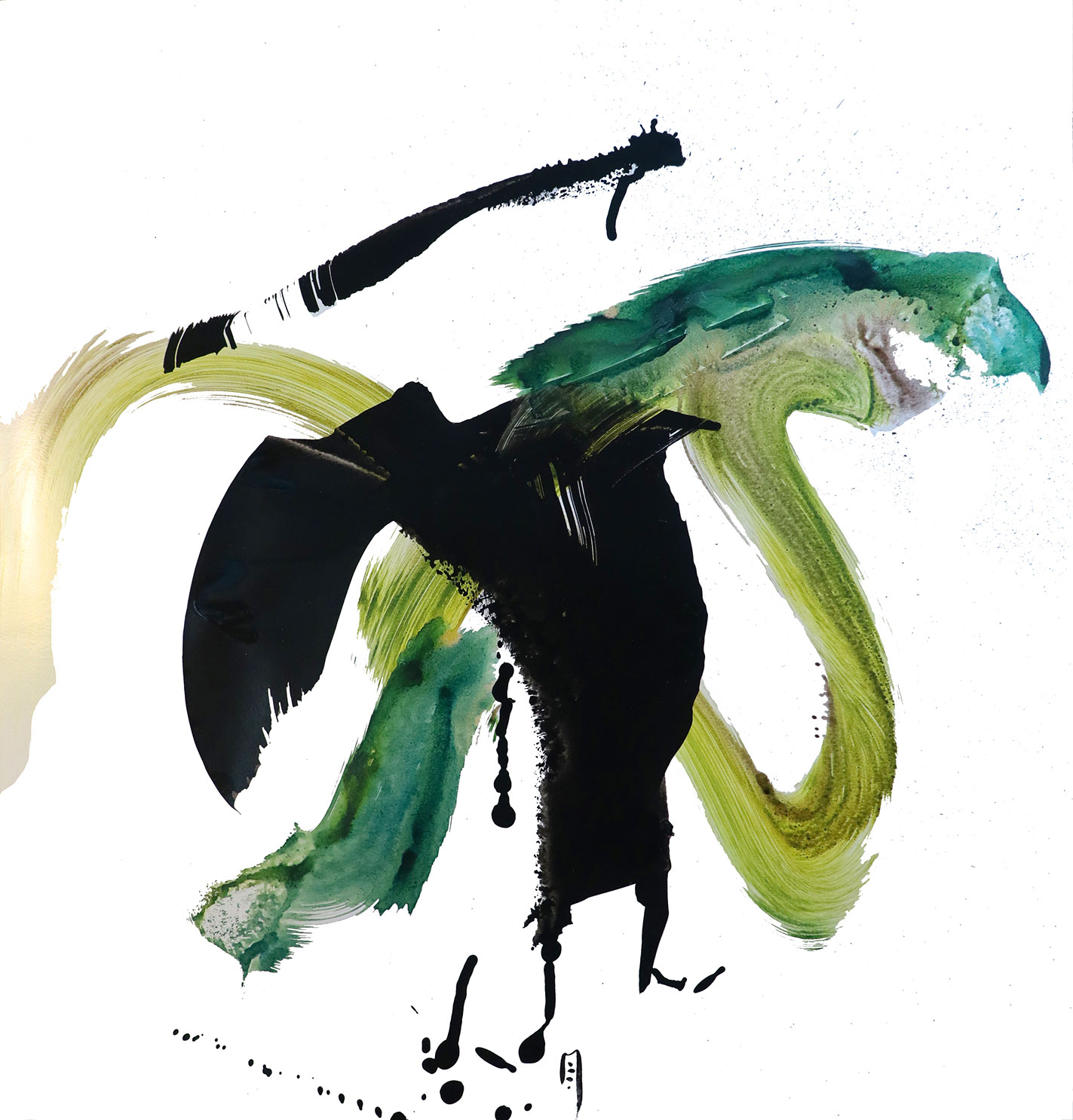
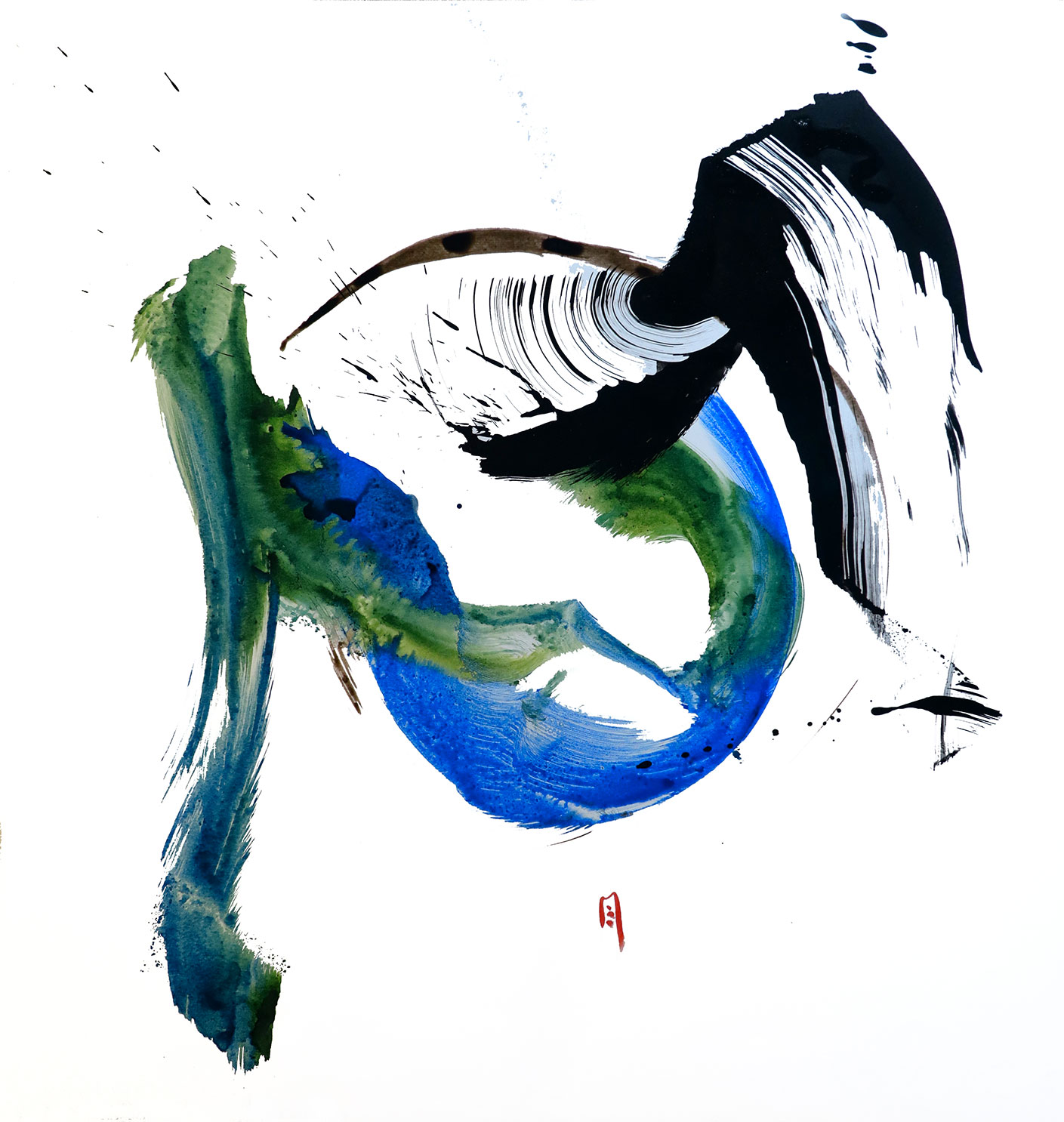
Bad shodō
drawing & graphism • 2024Calligraphy Paper and ink
Paper Inks 3 > 60cm x 60cm / 5 > 60cm x 50cm


Sound∞Cloud
sculpture • 2023Object - 2023
Vinyl acetate groove loop
Multiple engravings of negative grooves (Dubplate)
Steel base 30 X 20 X 30 cm
click on picture


Ohrwurm
installation • 2023Ohrwurm
Installation - 2023
Polyvinyl chloride
Variable dimensions
Floor-standing or pedestal-mounted
Ohrwurm is a modular installation, suitable for both small spaces
(as in the photo) and large ones. This deafening work features a random
score of electronic music.
click on picture
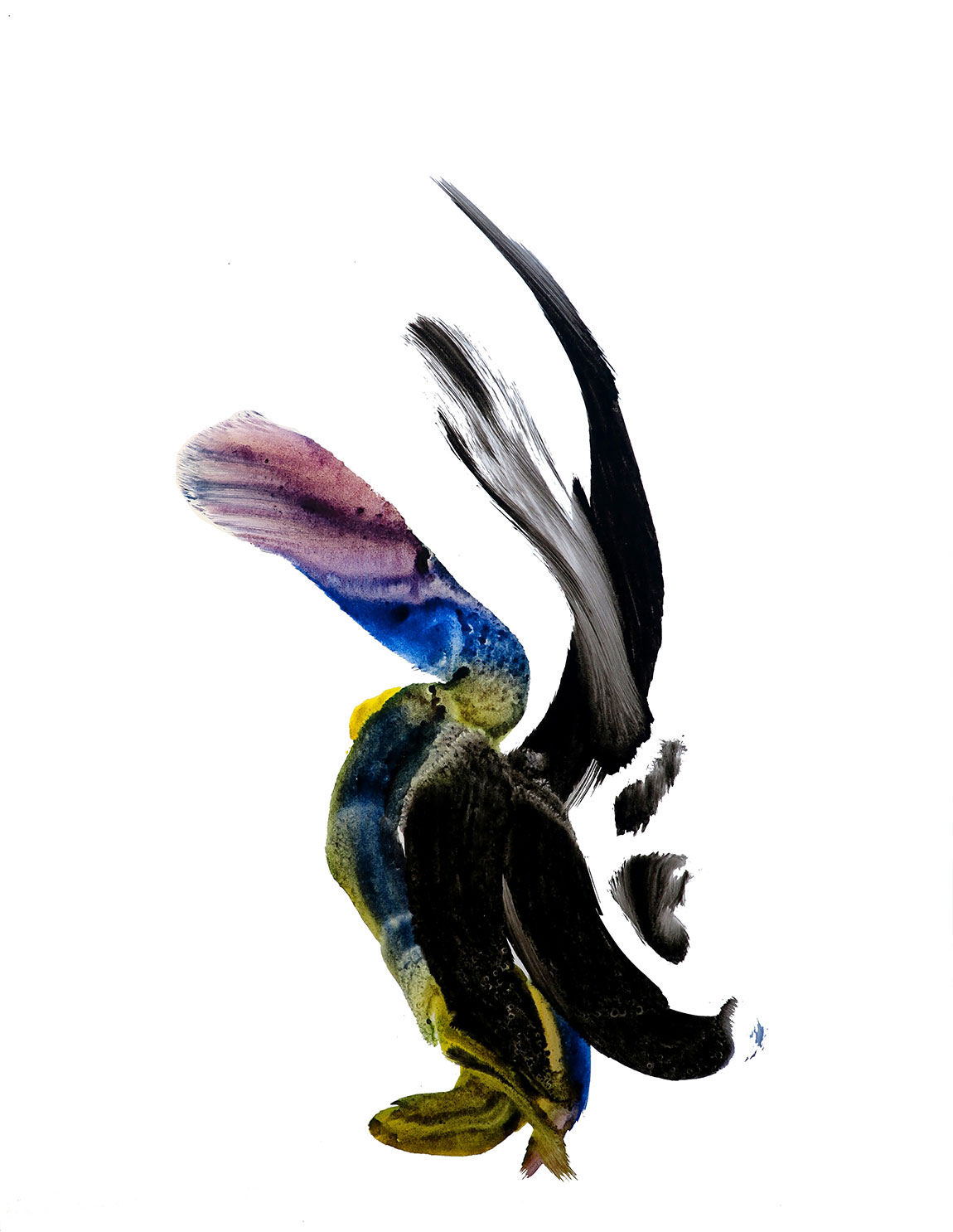
Plush
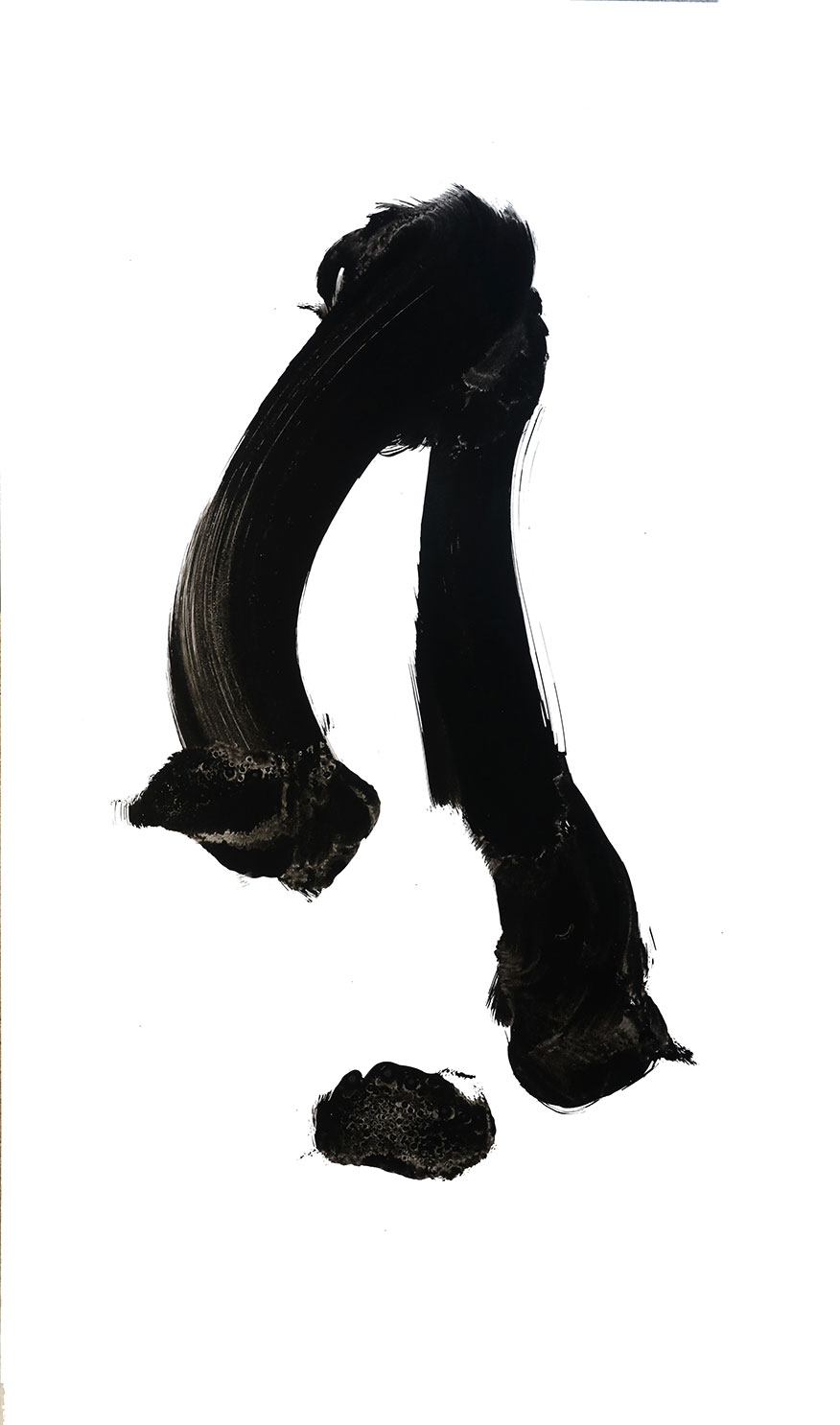
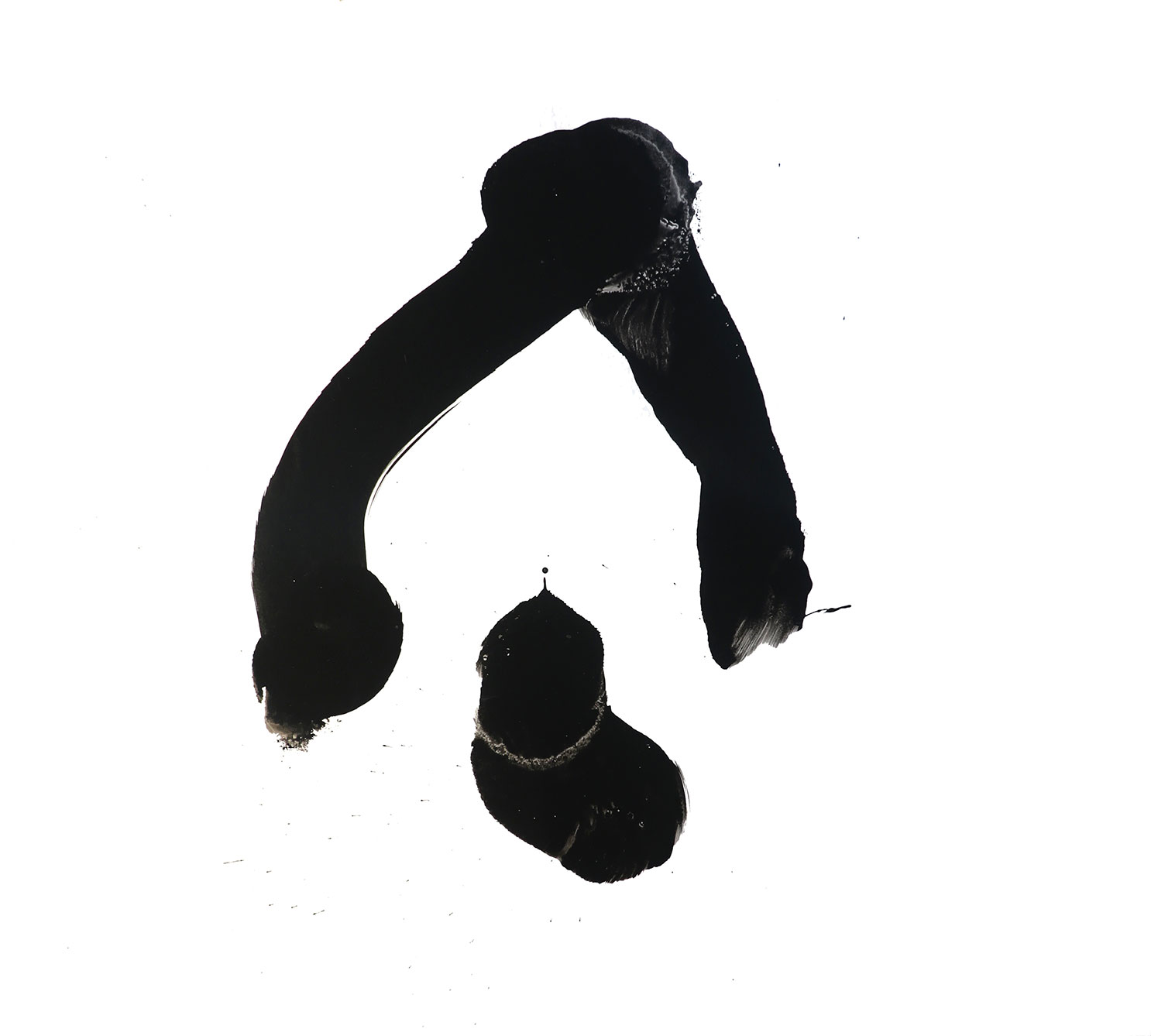
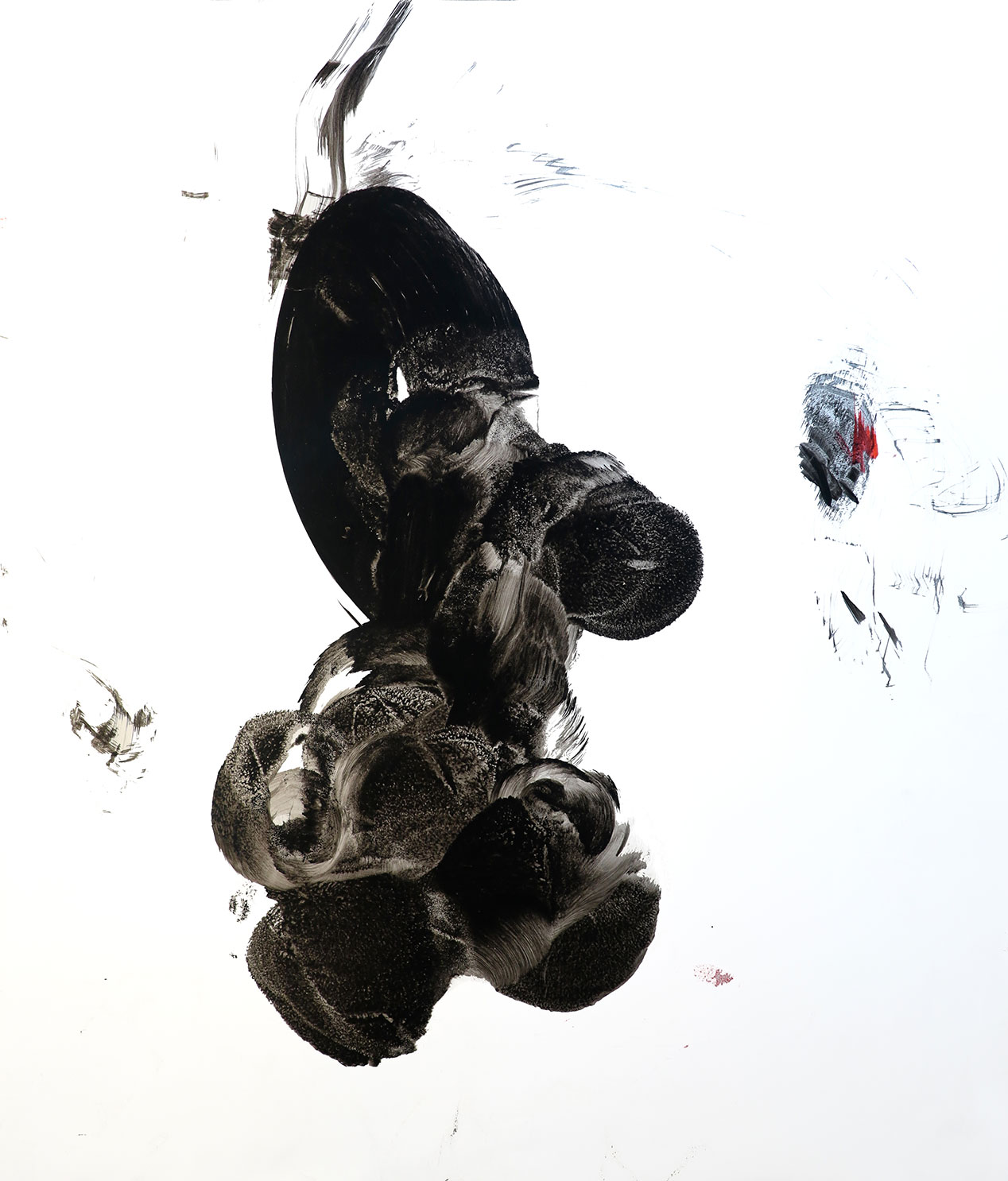
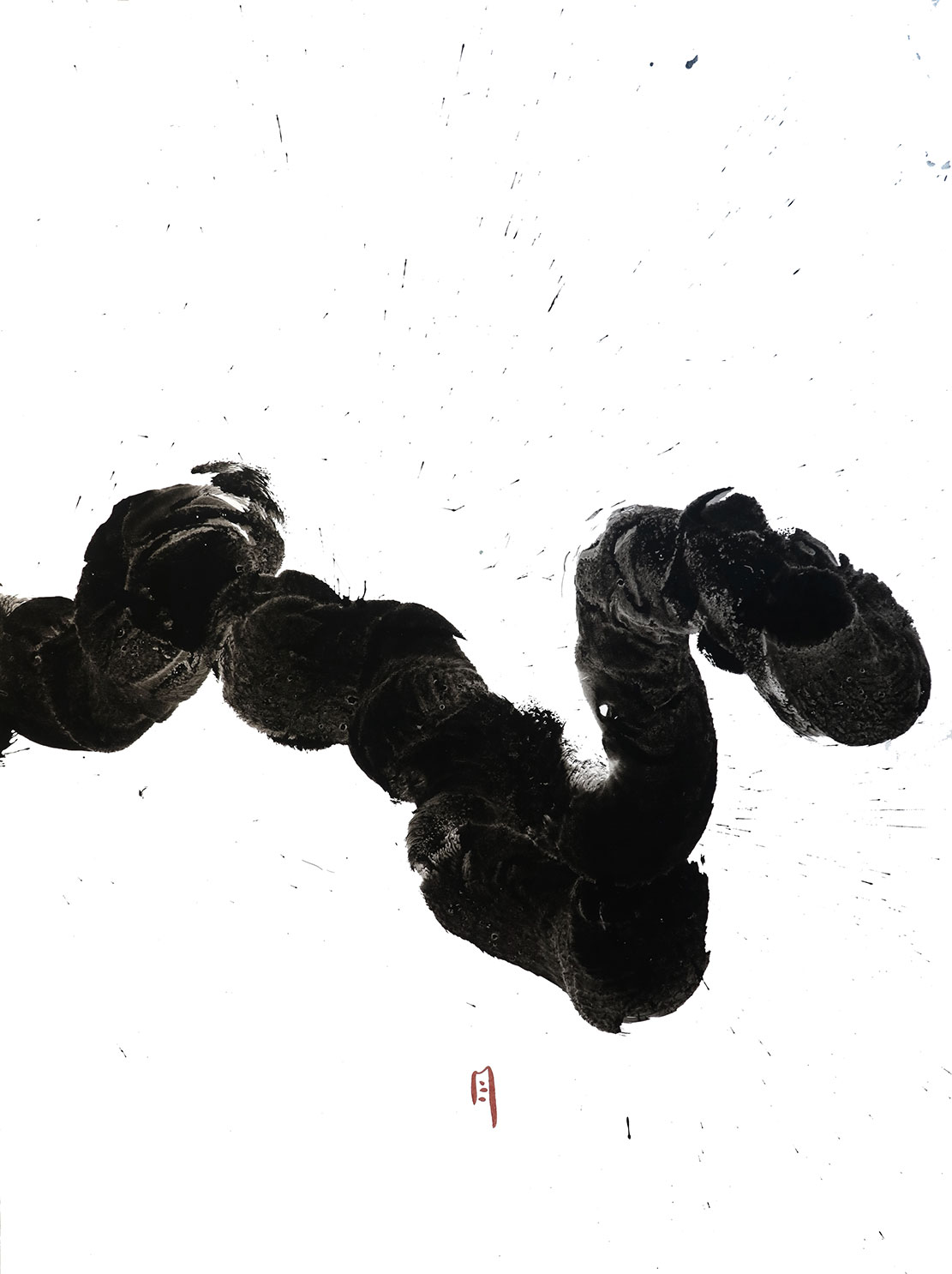
drawing & graphism • 2023Dreams of pləSH
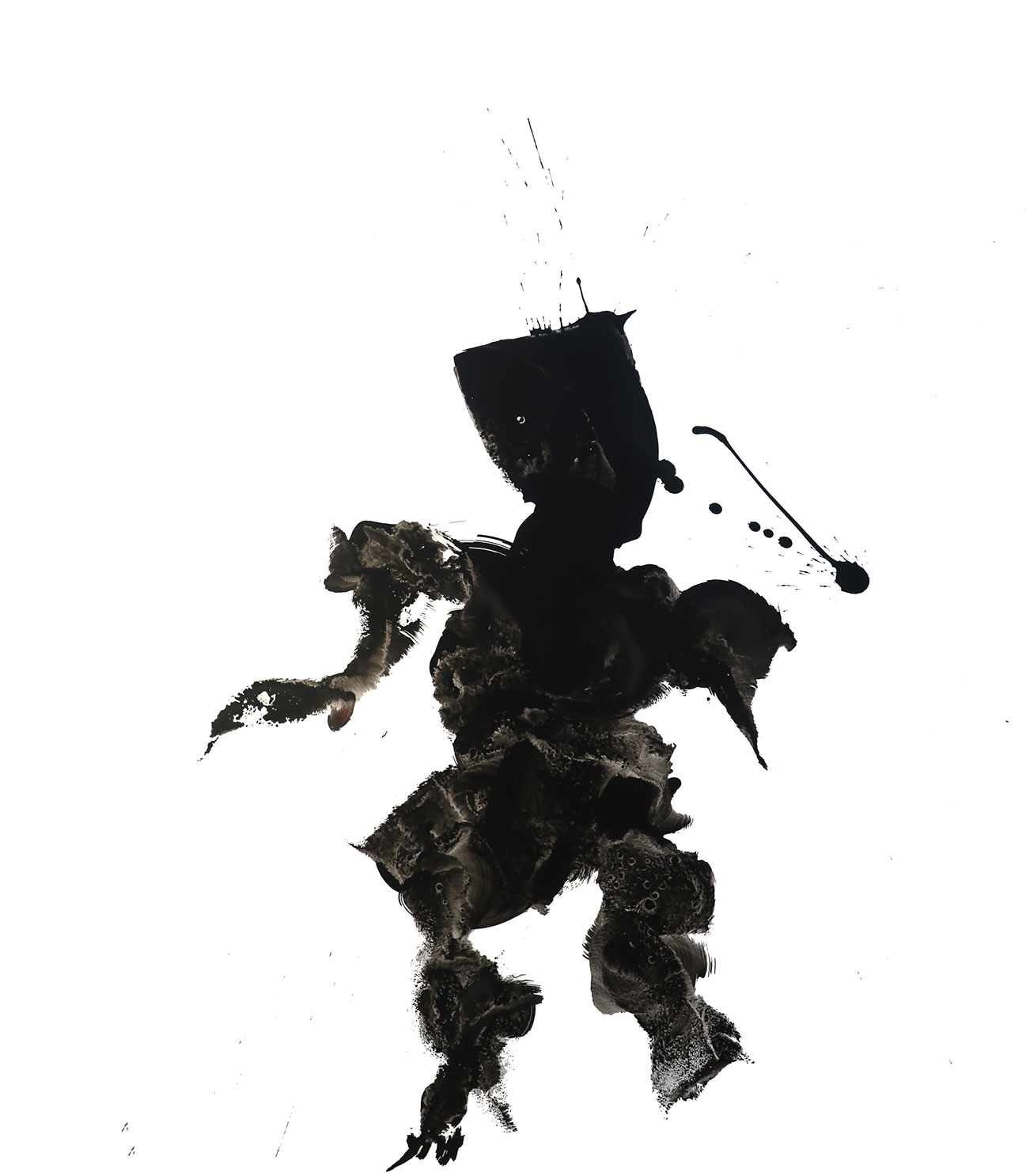
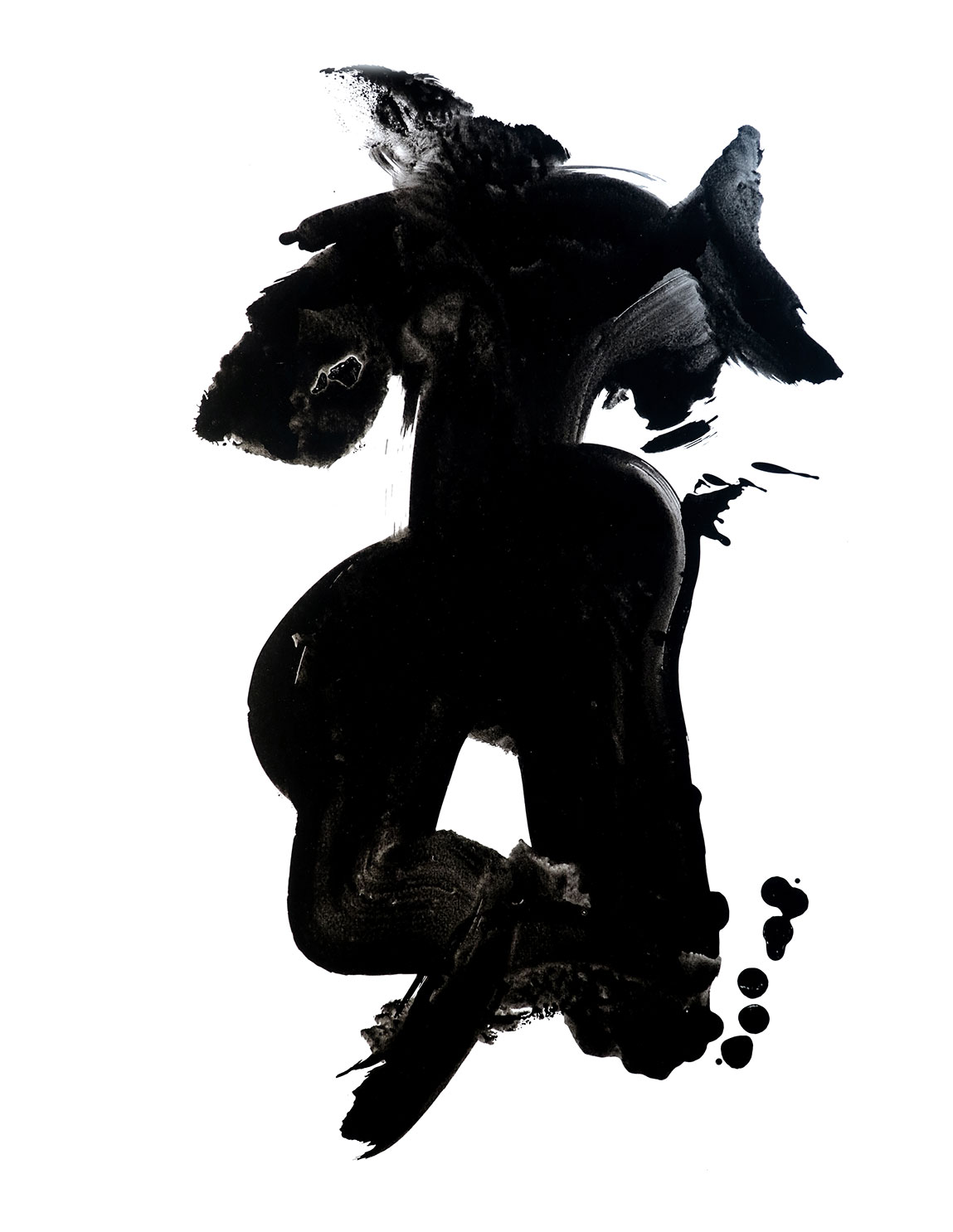
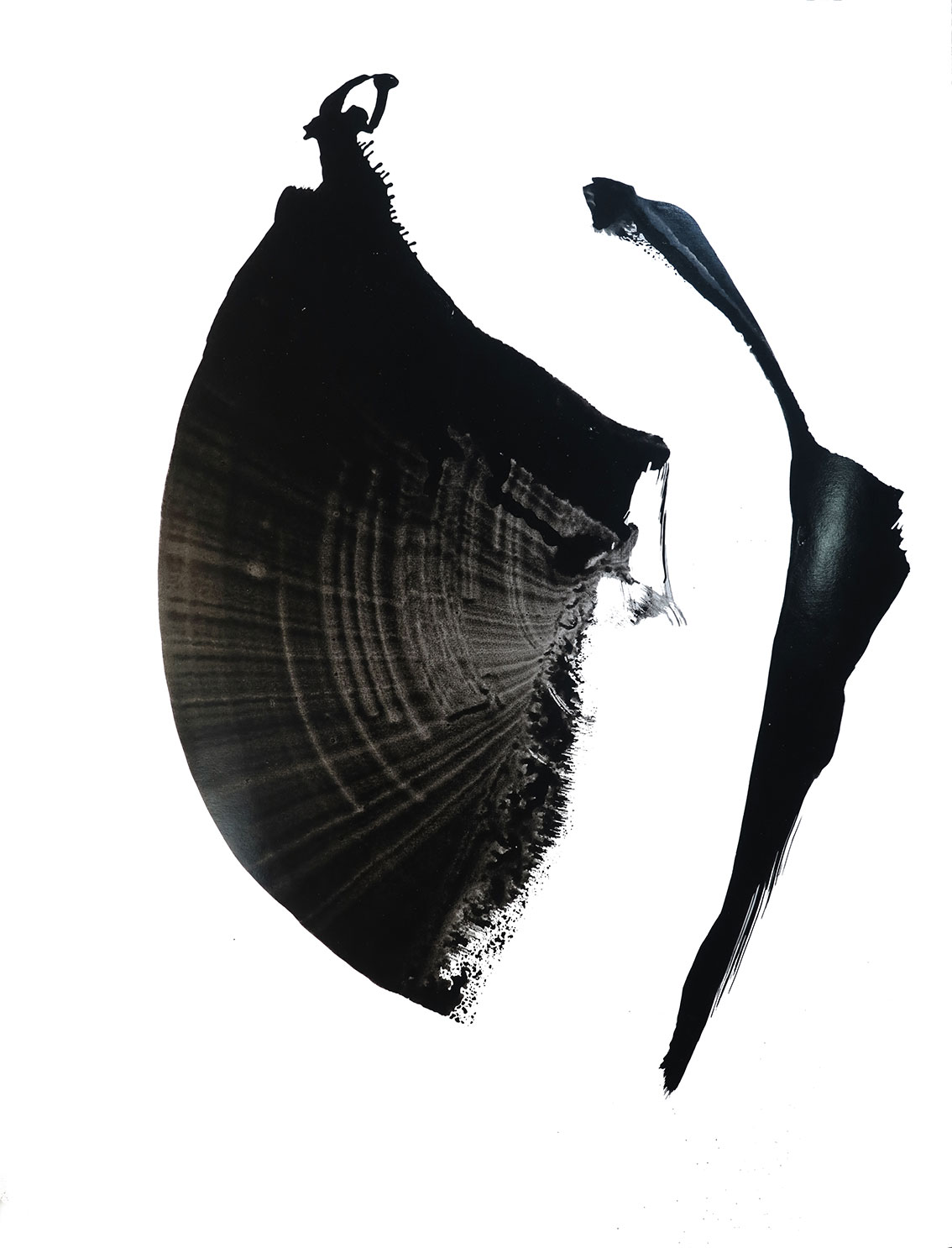
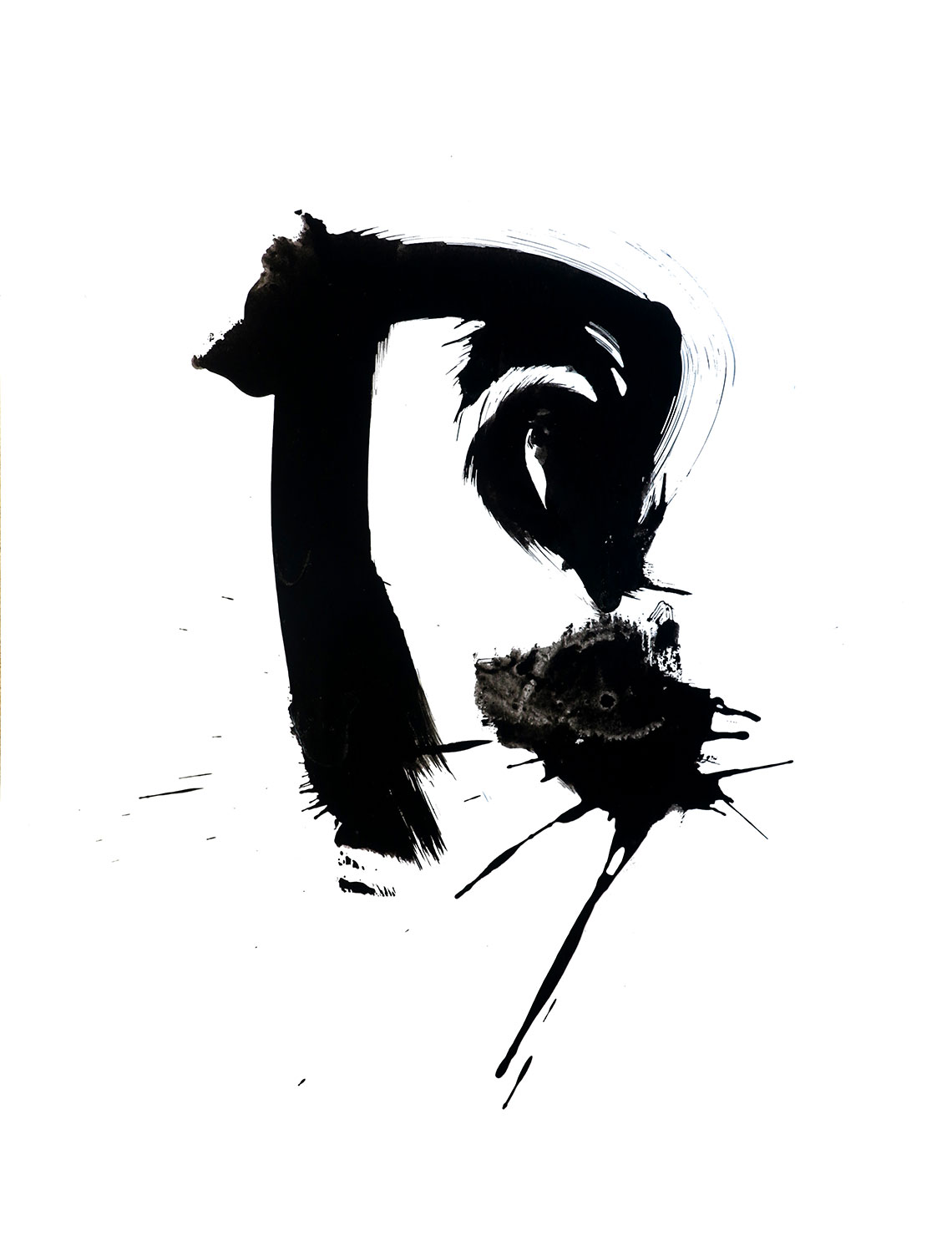
Series 2 > Paper & Ink 5 60cm x 40cm / 2 Paper & Inks 2 > 60cm x 60cm
Transitional objects, or the release of children’s dreams and nightmares buried within their stuffed toys.
This series consists of medium-format works (A2/A1).
My initial impulse (post-Echoplasme) came from a desire to work in larger formats with a theme other than Yōkai.
The Echoplasme series was created with very limited means during the first lockdown.
For that earlier series, I built tools that prevented me from seeing what I was painting, allowing me to remain fully within the gesture and its traces.
For this new large-format series, I needed to develop new tools that were more suited to its scale.
The idea of using plush toys came to me in a thrift shop, at a time when I had no access to proper waste disposal in the rural region where I had just relocated.
I felt as though I had rediscovered old companions—those who had followed me on stage during my noisy-pop period in the early 1990s.
Reflecting on the meaning of this combination—ink, paper, plush—the concept of the transitional object became immediately evident.
Releasing (unbinding) through ink and gesture the childhood dreams and nightmares stored within a stuffed toy also resonated with the story recently revealed by a friend who had been abused for many years.
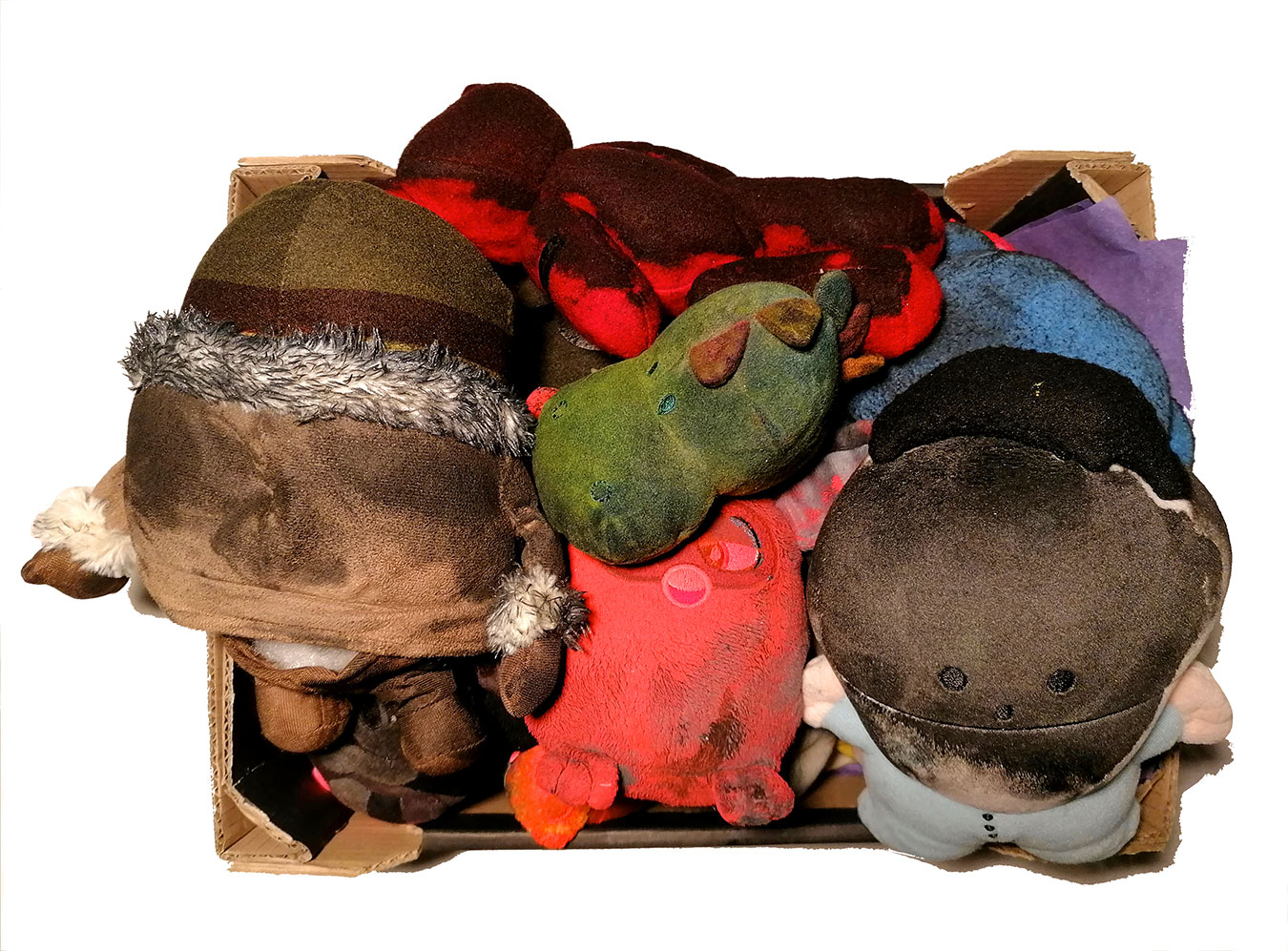
Plush
drawing & graphism • 2022Dreams of pləSH
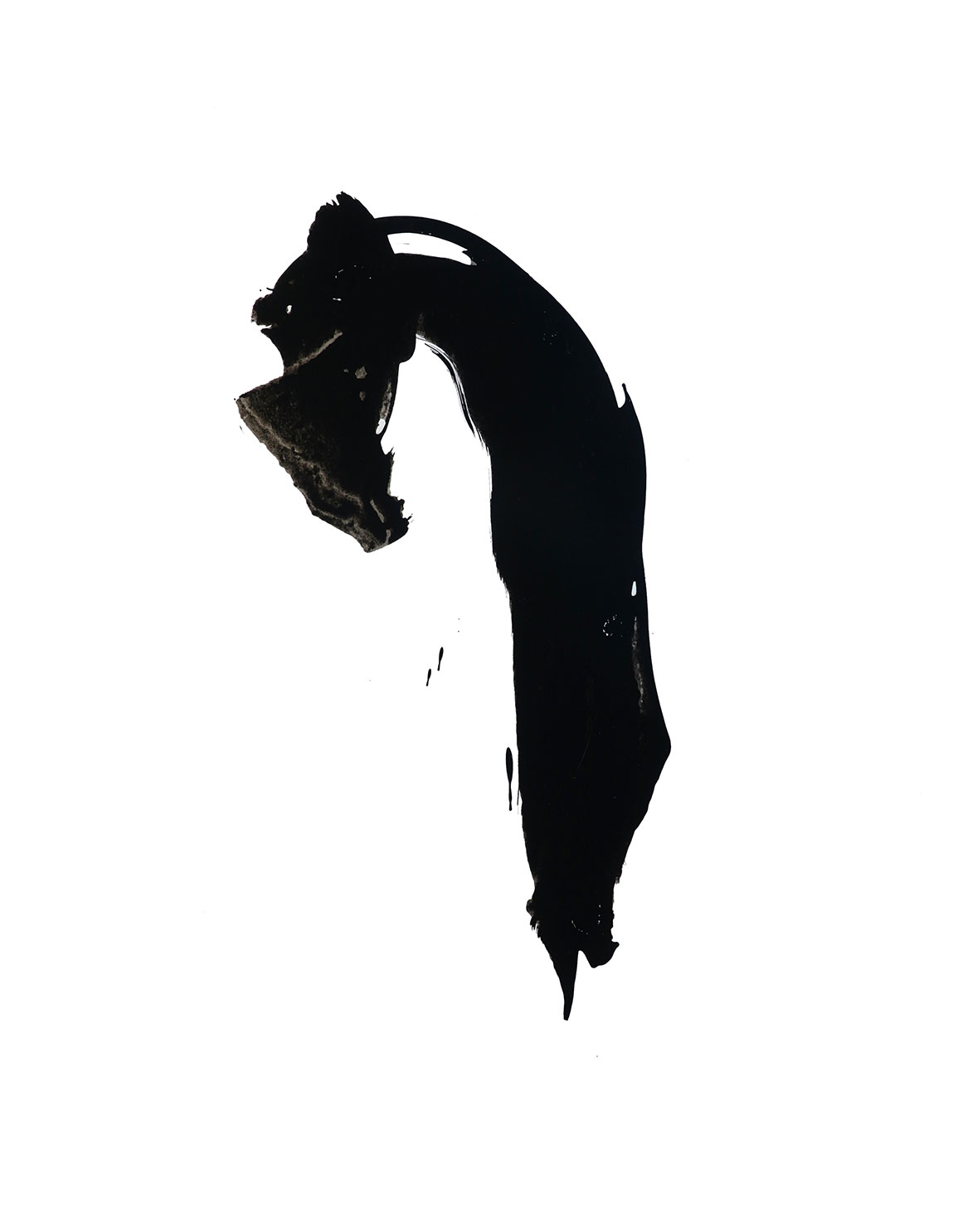
Series 1 > Paper & Ink 2 > 60cm x 40cm / 2 > 60cm x 40cm / 1 60cm x 30cm
Transitional objects, or the release of children’s dreams and nightmares buried within their stuffed toys.
This series consists of medium-format works (A2/A1).
My initial impulse (post-Echoplasme) came from a desire to work in larger formats with a theme other than Yōkai.
The Echoplasme series was created with very limited means during the first lockdown.
For that earlier series, I built tools that prevented me from seeing what I was painting, allowing me to remain fully within the gesture and its traces.
For this new large-format series, I needed to develop new tools that were more suited to its scale.
The idea of using plush toys came to me in a thrift shop, at a time when I had no access to proper waste disposal in the rural region where I had just relocated.
I felt as though I had rediscovered old companions—those who had followed me on stage during my noisy-pop period in the early 1990s.
Reflecting on the meaning of this combination—ink, paper, plush—the concept of the transitional object became immediately evident.
Releasing (unbinding) through ink and gesture the childhood dreams and nightmares stored within a stuffed toy also resonated with the story recently revealed by a friend who had been abused for many years.